
English ![]()

No. 7, Tianyang 6th Road, Dongfang Community, Songgang Street, Bao'an District, Shenzhen, Guangdong, China(518100)


| Quantity: | |
|---|---|
Die casting is an advanced manufacturing process increasingly used in the medical industry to produce high-precision, sterile, and durable components. The process involves injecting molten metal—typically aluminum, zinc, or magnesium alloys—into precision-engineered steel molds under high pressure. This method ensures exceptional accuracy, smooth surface finishes, and structural integrity, making it ideal for medical instruments, implants, and diagnostic equipment.

Why Die Casting is Used in Medical Applications?
Medical devices require:
✔ High Precision – Tight tolerances for reliable performance
✔ Biocompatibility – Safe for contact with human tissue
✔ Sterilizability – Resistance to autoclaving and chemical cleaning
✔ Durability – Long-lasting performance in demanding environments
Die casting meets these demands while offering cost-efficiency and scalability for mass production.
Common Medical Die Casting Materials
1. Aluminum Alloys (e.g., A380, A360)
Advantages: Lightweight, corrosion-resistant, excellent thermal conductivity
Applications: Surgical instruments, imaging equipment housings, prosthetics
2. Zinc Alloys (e.g., Zamak 3, Zamak 5)
Advantages: High dimensional stability, smooth surface finish, biocompatibility
Applications: Dental tools, syringe components, orthopedic devices
3. Magnesium Alloys (e.g., AZ91D, AM60B)
Advantages: Ultra-lightweight, excellent strength-to-weight ratio, MRI compatibility
Applications: Portable medical devices, surgical robots, implantable components
Key Advantages of Die Casting in Medical Manufacturing
✅ Superior Precision – Produces complex geometries with tight tolerances (±0.005 inches).
✅ Smooth Surface Finish – Reduces bacterial adhesion and simplifies sterilization.
✅ Biocompatibility – Suitable for implants and devices in prolonged bodily contact.
✅ High Strength & Durability – Withstands repeated sterilization and mechanical stress.
✅ Cost-Effective Production – Lower per-unit costs for high-volume manufacturing.
✅ Design Flexibility – Allows integration of multiple features into a single component.
Medical Applications of Die Casting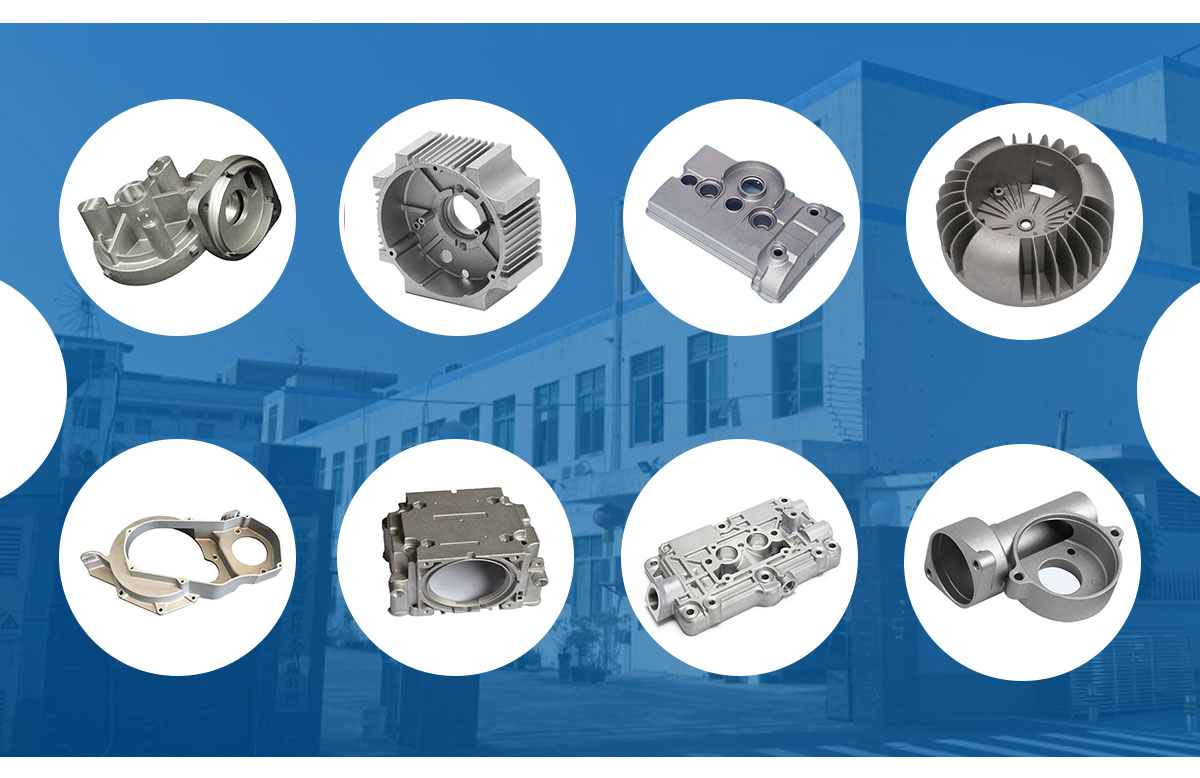
1. Surgical Instruments
Examples: Scalpel handles, forceps, clamps
Benefits: Lightweight, ergonomic, corrosion-resistant
2. Diagnostic & Imaging Equipment
Examples: MRI components, X-ray machine parts, ultrasound transducers
Benefits: High dimensional accuracy, EMI/RFI shielding
3. Implants & Prosthetics
Examples: Bone screws, dental implants, joint replacements
Benefits: Biocompatible, long-term durability
4. Portable Medical Devices
Examples: Insulin pumps, nebulizers, wearable monitors
Benefits: Lightweight (magnesium alloys), compact design
5. Dental Tools & Orthodontics
Examples: Drill handpieces, braces components
Benefits: High precision, smooth surfaces for patient comfort
Die casting is a vital manufacturing method in the medical industry, offering unmatched precision, material versatility, and cost efficiency. Its ability to produce sterile, biocompatible, and high-performance components makes it indispensable for modern healthcare technology. As medical devices continue to advance in complexity, die casting will play an increasingly critical role in their development.


