
English ![]()

No. 7, Tianyang 6th Road, Dongfang Community, Songgang Street, Bao'an District, Shenzhen, Guangdong, China(518100)


| Quantity: | |
|---|---|
CNC turning has become a fundamental manufacturing process in the 3C (Computer, Communication, and Consumer) electronics industry, enabling the mass production of high-precision components with micron-level accuracy. As 3C devices continue to evolve toward miniaturization, multi-functionality, and premium aesthetics, CNC turning provides the necessary manufacturing precision for connectors, housings, and internal mechanisms that power smartphones, laptops, wearables, and IoT devices. This subtractive manufacturing process offers distinct advantages in producing complex miniature components that meet the strict quality and performance standards of the 3C industry.
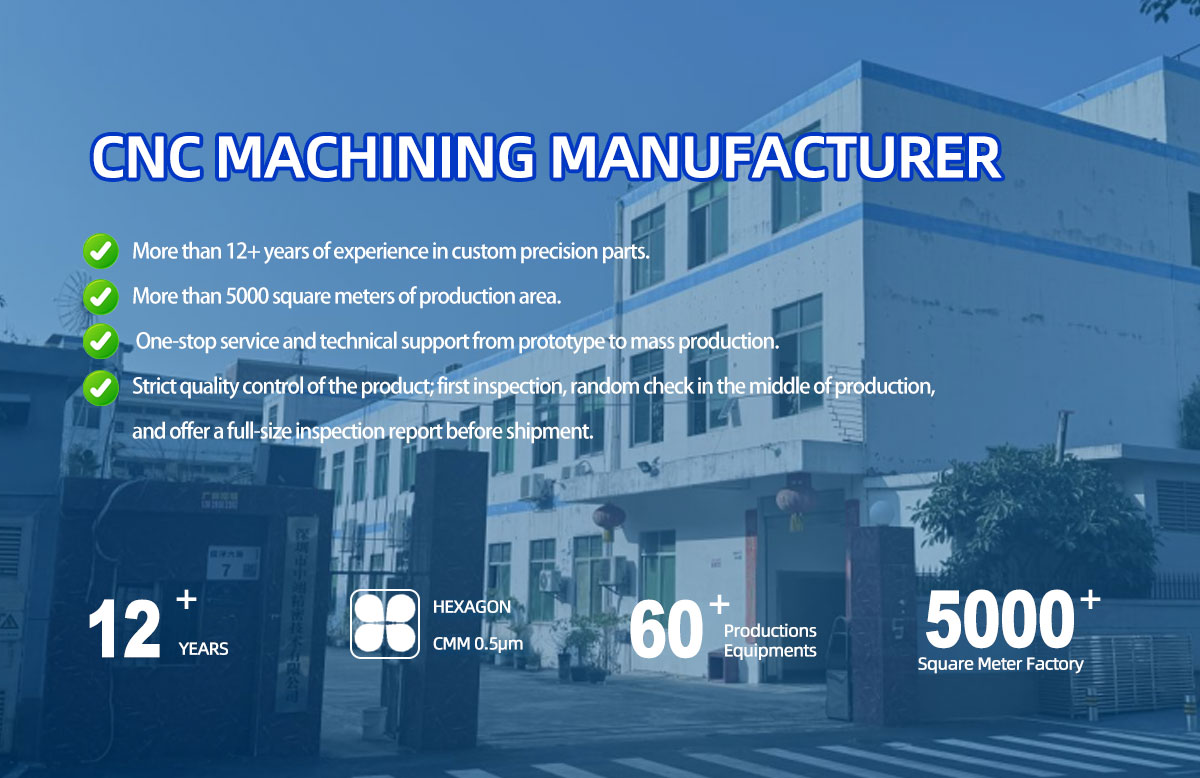
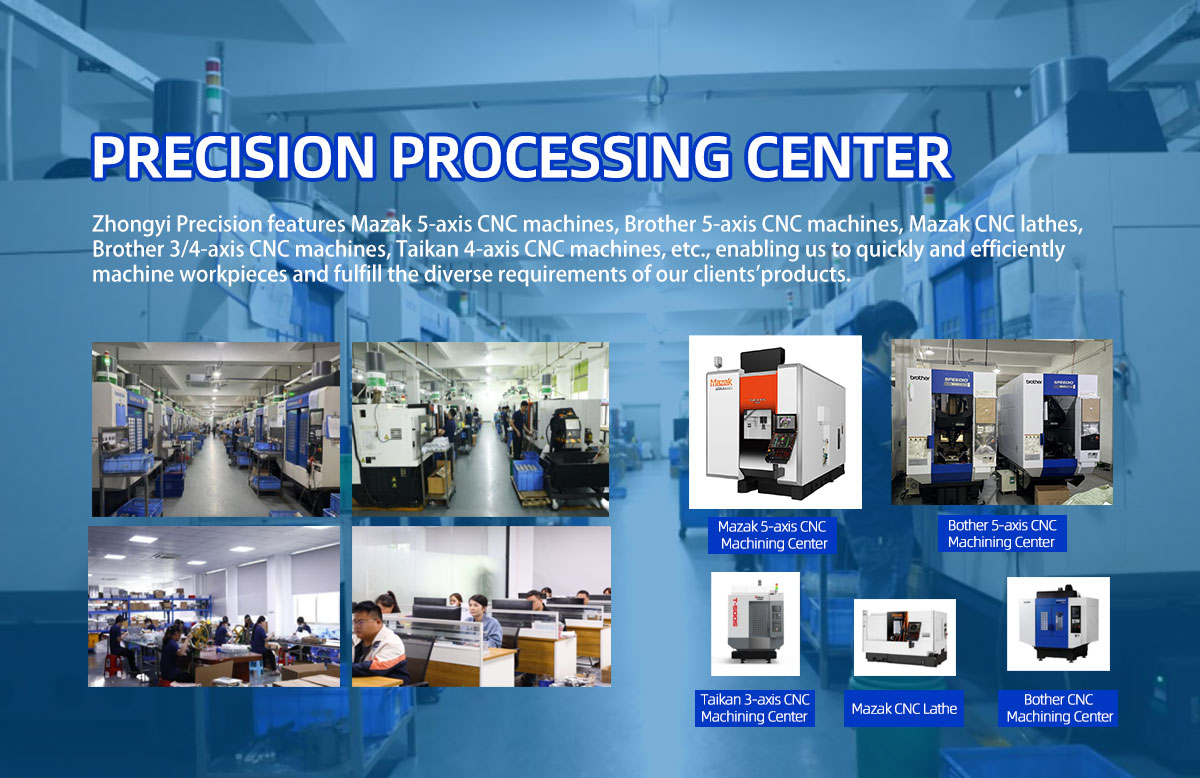
PRODUCTION EQUIPMENTS
Key Applications in 3C Electronics Smartphone Components Precision-machined metal frames and mid-plates SIM card trays with tight tolerances Camera rings and lens mounts with optical-grade finishes Wearable Devices Smartwatch cases with seamless joints Fitness tracker sensor housings AR/VR headset structural components | Laptop and Tablet Hardware Hinge mechanisms for ultra-thin designs Heat dissipation components with complex geometries Keyboard frames and touchpad bracket |
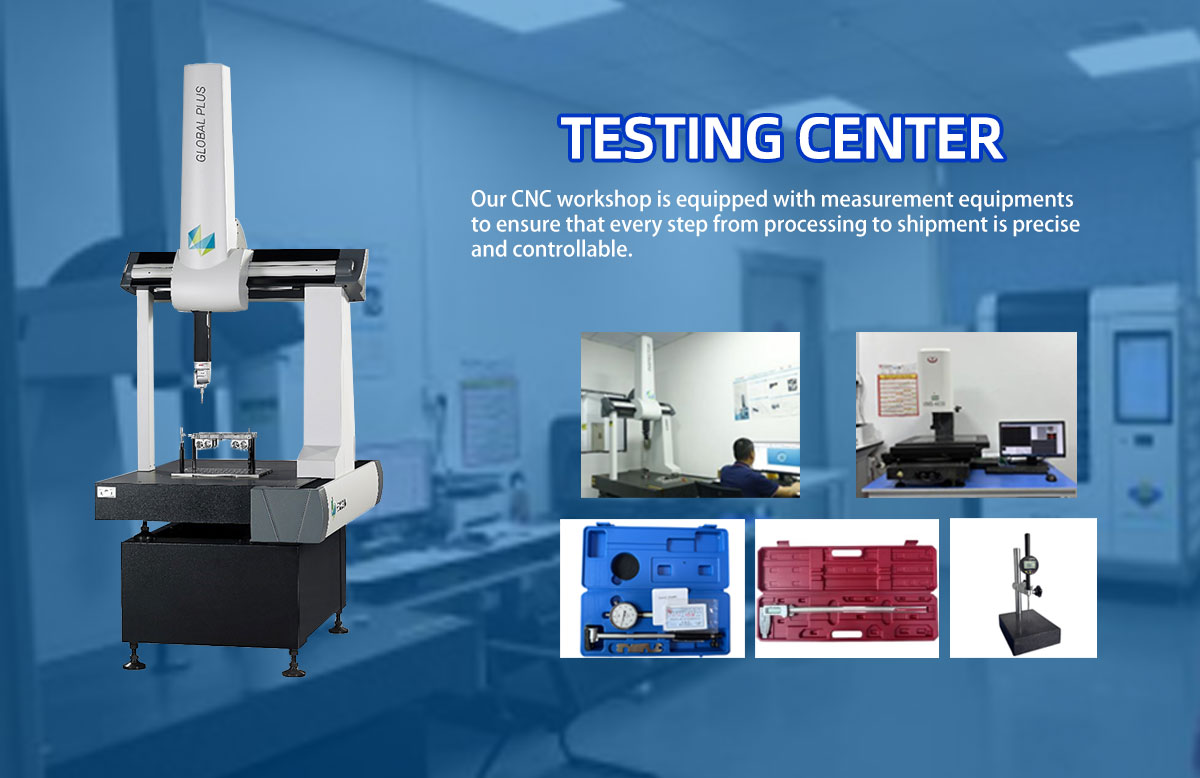
TESTING EQUIPMENTS
Audio Equipment
True wireless earbud charging contacts
Speaker driver assemblies
Microphone housings with acoustic chambers
IoT and Smart Home Devices
Smart speaker grilles with precise acoustic perforations
Router antenna connectors
Smart home controller knobs and buttons
Technical Advantages of CNC Turning for 3C Electronics
Ultra-Precision Machining (±0.002mm tolerance)
Enables perfect fit for miniaturized components in compact devices
Critical for 5G antenna components and high-speed connectors
Premium Surface Quality (Ra 0.05-0.2μm)
Achieves mirror finishes for visible exterior parts
Reduces friction in moving components like hinges and sliders
Advanced Material Capabilities
Aluminum alloys (6061, 7075) for lightweight structural parts; Stainless steel (303, 304) for durable connectors
Titanium for premium wearable device cases
High-Efficiency Production
Multi-axis simultaneous machining reduces cycle times
Automated production lines with robotic part handling
Design Flexibility
Combines turning, milling, drilling in single setup
Produces complex internal features and thin-walled structures
Exceptional Consistency
Maintains dimensional stability across million-unit production runs
Ensures interchangeability of components
Cost Optimization
Minimal material waste compared to other processes
Reduced secondary processing requirements
Industry-Specific Benefits
5G Device Compatibility: Precise RF shielding components
Water Resistance: Perfectly sealed joints and interfaces
Thermal Management: Optimized heat sink designs
Aesthetic Demands: Flawless exterior surfaces
Future Development Trends
Micro-Machining Advancements
Capabilities for sub-millimeter components
Specialized tooling for delicate features
Smart Manufacturing Integration
IoT-enabled machine monitoring
AI-based quality inspection systems
Sustainable Production
Improved material utilization
Energy-efficient machining processes
CNC turning remains indispensable in 3C electronics manufacturing, delivering the precision, efficiency, and quality required for cutting-edge devices. Its ability to process diverse materials while maintaining exceptional accuracy makes it particularly valuable as 3C products continue advancing in sophistication. From enabling the slim profiles of flagship smartphones to ensuring the reliability of mission-critical connectors, CNC turning will continue to be a cornerstone technology driving innovation in the 3C industry. The technology's ongoing evolution in micro-machining and smart manufacturing ensures it will remain vital for future generations of 3C devices.

CNC turning has become a fundamental manufacturing process in the 3C (Computer, Communication, and Consumer) electronics industry, enabling the mass production of high-precision components with micron-level accuracy. As 3C devices continue to evolve toward miniaturization, multi-functionality, and premium aesthetics, CNC turning provides the necessary manufacturing precision for connectors, housings, and internal mechanisms that power smartphones, laptops, wearables, and IoT devices. This subtractive manufacturing process offers distinct advantages in producing complex miniature components that meet the strict quality and performance standards of the 3C industry.
PRODUCTION EQUIPMENTS
Key Applications in 3C Electronics Smartphone Components Precision-machined metal frames and mid-plates SIM card trays with tight tolerances Camera rings and lens mounts with optical-grade finishes Wearable Devices Smartwatch cases with seamless joints Fitness tracker sensor housings AR/VR headset structural components | Laptop and Tablet Hardware Hinge mechanisms for ultra-thin designs Heat dissipation components with complex geometries Keyboard frames and touchpad bracket |
TESTING EQUIPMENTS
Audio Equipment
True wireless earbud charging contacts
Speaker driver assemblies
Microphone housings with acoustic chambers
IoT and Smart Home Devices
Smart speaker grilles with precise acoustic perforations
Router antenna connectors
Smart home controller knobs and buttons
Technical Advantages of CNC Turning for 3C Electronics
Ultra-Precision Machining (±0.002mm tolerance)
Enables perfect fit for miniaturized components in compact devices
Critical for 5G antenna components and high-speed connectors
Premium Surface Quality (Ra 0.05-0.2μm)
Achieves mirror finishes for visible exterior parts
Reduces friction in moving components like hinges and sliders
Advanced Material Capabilities
Aluminum alloys (6061, 7075) for lightweight structural parts; Stainless steel (303, 304) for durable connectors
Titanium for premium wearable device cases
High-Efficiency Production
Multi-axis simultaneous machining reduces cycle times
Automated production lines with robotic part handling
Design Flexibility
Combines turning, milling, drilling in single setup
Produces complex internal features and thin-walled structures
Exceptional Consistency
Maintains dimensional stability across million-unit production runs
Ensures interchangeability of components
Cost Optimization
Minimal material waste compared to other processes
Reduced secondary processing requirements
Industry-Specific Benefits
5G Device Compatibility: Precise RF shielding components
Water Resistance: Perfectly sealed joints and interfaces
Thermal Management: Optimized heat sink designs
Aesthetic Demands: Flawless exterior surfaces
Future Development Trends
Micro-Machining Advancements
Capabilities for sub-millimeter components
Specialized tooling for delicate features
Smart Manufacturing Integration
IoT-enabled machine monitoring
AI-based quality inspection systems
Sustainable Production
Improved material utilization
Energy-efficient machining processes
CNC turning remains indispensable in 3C electronics manufacturing, delivering the precision, efficiency, and quality required for cutting-edge devices. Its ability to process diverse materials while maintaining exceptional accuracy makes it particularly valuable as 3C products continue advancing in sophistication. From enabling the slim profiles of flagship smartphones to ensuring the reliability of mission-critical connectors, CNC turning will continue to be a cornerstone technology driving innovation in the 3C industry. The technology's ongoing evolution in micro-machining and smart manufacturing ensures it will remain vital for future generations of 3C devices.


