
English ![]()

No. 7, Tianyang 6th Road, Dongfang Community, Songgang Street, Bao'an District, Shenzhen, Guangdong, China(518100)
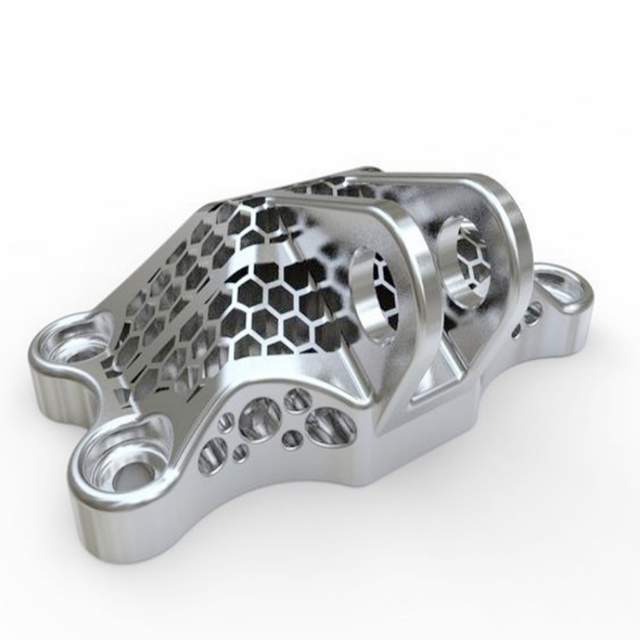


In the fast-paced and highly competitive automotive industry, the pursuit of enhanced performance, durability, and efficiency is relentless. 5-axis CNC (Computer Numerical Control) machining has emerged as a transformative technology, playing a pivotal role in shaping the future of automotive manufacturing.
Understanding 5 Axis CNC Machining
Traditional CNC machining typically operates on three linear axes: X, Y, and Z. In contrast, 5 axis CNC machining adds two additional rotational axes, usually the A and B axes. This extra flexibility allows the cutting tool to approach the workpiece from an almost unlimited number of angles. For instance, in a 5 axis milling operation, the cutting tool can not only move linearly along the X, Y, and Z directions but also rotate around the A and B axes, enabling the production of highly complex geometries that are unachievable with 3 axis machining.
Applications in the Automotive Industry
1. Engine Component Manufacturing
Engines are the heart of vehicles, and 5 axis CNC machining significantly contributes to their production. Components such as engine blocks, cylinder heads, and crankshafts require intricate machining. Engine blocks, for example, need precise machining of cylinders, coolant passages, and oil galleries. 5 axis CNC machines can create these complex internal structures with high precision, ensuring proper engine cooling and lubrication. Cylinder heads, which house critical components like valves and fuel injectors, also benefit from 5 axis machining. The ability to machine complex shapes enables better combustion chamber design, improving engine efficiency and reducing emissions.
2. Transmission and Drivetrain Parts
Transmission systems demand components with tight tolerances for smooth gear shifting and power transfer. 5 axis CNC machining is used to produce transmission cases, gears, and shafts. Transmission cases have complex internal cavities to accommodate gears and other components. With 5 axis machining, these cavities can be accurately milled, ensuring a perfect fit for all parts. Gears, especially those with complex tooth profiles in modern high - performance transmissions, can be precisely cut, reducing noise, vibration, and harshness while enhancing power transmission efficiency.
3. Chassis and Suspension Components
Chassis and suspension parts, like control arms and knuckles, are crucial for vehicle stability and handling. 5 axis CNC machining allows for the production of lightweight yet strong components. Control arms often have complex shapes to optimize their mechanical properties. 5 axis machines can machine these parts from high - strength materials, reducing weight without sacrificing strength. This not only improves vehicle fuel efficiency but also enhances handling performance. Suspension knuckles, which connect various suspension components, also require precise machining, and 5 axis CNC technology ensures that all mounting points and bearing surfaces are manufactured to exact specifications.
4. Interior and Exterior Trim Components
In addition to functional parts, 5 axis CNC machining is utilized for manufacturing aesthetic interior and exterior trim components. Exterior parts such as custom grilles, spoilers, and trim pieces can be produced with intricate designs. The technology enables the creation of complex shapes and fine details, enhancing the vehicle's visual appeal. Inside the vehicle, 5 axis machining is used to produce high - quality interior trim, including dashboard components, door panels, and center console parts. These parts not only need to look good but also fit precisely, and 5 axis CNC machining ensures both aspects are met.
Advantages of 5 Axis CNC Machining in the Automotive Industry
1. High Precision
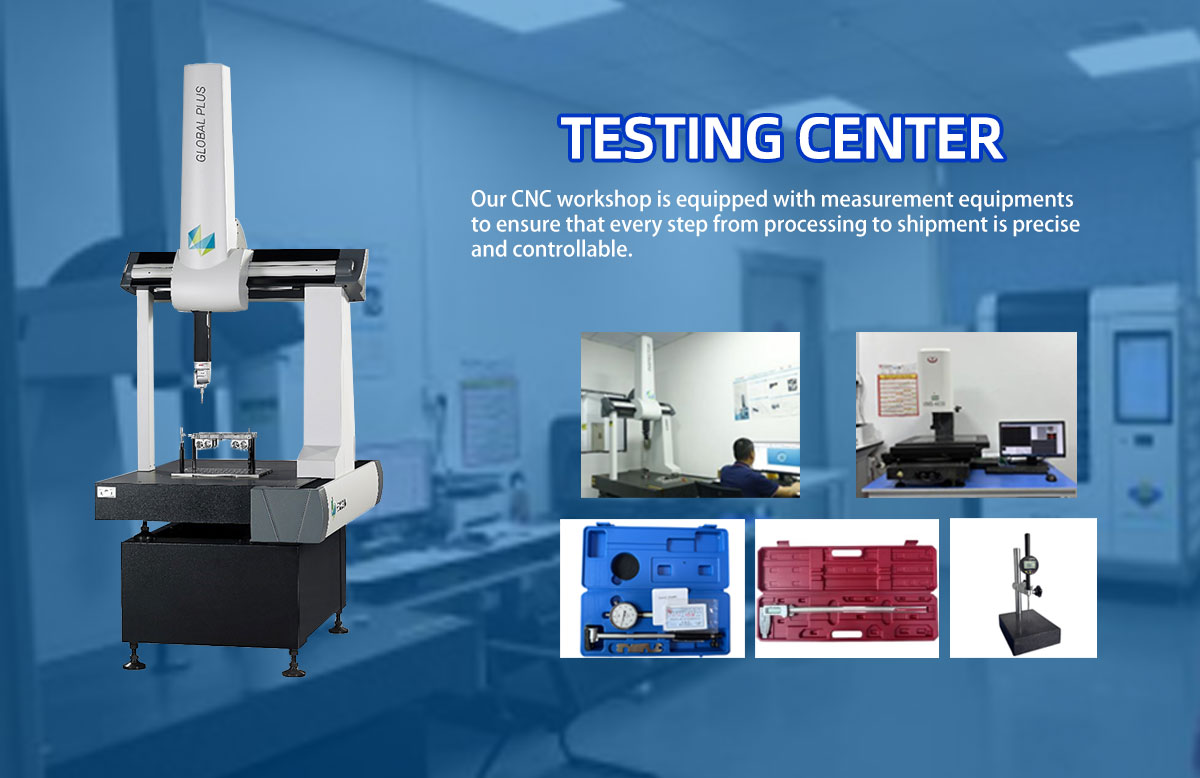
Automotive components require extremely tight tolerances. Even a minor deviation can lead to performance issues or component failure. 5 axis CNC machining can achieve tolerances as low as 0.001 mm, ensuring that parts fit together perfectly. For example, in engine components, precise machining ensures proper sealing, reducing the risk of leaks and improving overall engine performance.
2. Complex Geometry Machining
The automotive industry constantly innovates with new designs for better performance. 5 axis CNC machining can handle complex geometries, allowing manufacturers to create components with optimized shapes. Whether it's a uniquely designed engine intake manifold or a high - performance transmission gear, 5 axis machining can bring these advanced designs to life.
3. Reduced Setup Time
With 5 axis CNC machining, fewer setups are needed compared to traditional methods. The cutting tool can access multiple sides of the workpiece without repositioning, saving time and reducing the potential for errors during multiple setups. This increased efficiency is especially valuable in high - volume automotive production.
4. Improved Surface Finish
Components with a good surface finish are essential in the automotive industry, as they can reduce friction and improve the lifespan of parts. 5 axis CNC machining provides excellent surface finishes, minimizing the need for additional finishing operations. This not only saves time but also reduces production costs.
5. Material Optimization
5 axis CNC machining enables efficient use of materials. By machining complex shapes in a single operation, it reduces material waste. In the automotive industry, where material costs are significant, this results in substantial cost savings.
In conclusion, 5 axis CNC machining has become an indispensable technology in the automotive industry. Its unique capabilities in precision, complex geometry machining, and cost - efficiency make it a key driver for innovation and competitiveness in automotive manufacturing. As the automotive industry continues to evolve, the importance of 5 axis CNC machining will only grow.

In the fast-paced and highly competitive automotive industry, the pursuit of enhanced performance, durability, and efficiency is relentless. 5-axis CNC (Computer Numerical Control) machining has emerged as a transformative technology, playing a pivotal role in shaping the future of automotive manufacturing.
Understanding 5 Axis CNC Machining
Traditional CNC machining typically operates on three linear axes: X, Y, and Z. In contrast, 5 axis CNC machining adds two additional rotational axes, usually the A and B axes. This extra flexibility allows the cutting tool to approach the workpiece from an almost unlimited number of angles. For instance, in a 5 axis milling operation, the cutting tool can not only move linearly along the X, Y, and Z directions but also rotate around the A and B axes, enabling the production of highly complex geometries that are unachievable with 3 axis machining.
Applications in the Automotive Industry
1. Engine Component Manufacturing
Engines are the heart of vehicles, and 5 axis CNC machining significantly contributes to their production. Components such as engine blocks, cylinder heads, and crankshafts require intricate machining. Engine blocks, for example, need precise machining of cylinders, coolant passages, and oil galleries. 5 axis CNC machines can create these complex internal structures with high precision, ensuring proper engine cooling and lubrication. Cylinder heads, which house critical components like valves and fuel injectors, also benefit from 5 axis machining. The ability to machine complex shapes enables better combustion chamber design, improving engine efficiency and reducing emissions.
2. Transmission and Drivetrain Parts
Transmission systems demand components with tight tolerances for smooth gear shifting and power transfer. 5 axis CNC machining is used to produce transmission cases, gears, and shafts. Transmission cases have complex internal cavities to accommodate gears and other components. With 5 axis machining, these cavities can be accurately milled, ensuring a perfect fit for all parts. Gears, especially those with complex tooth profiles in modern high - performance transmissions, can be precisely cut, reducing noise, vibration, and harshness while enhancing power transmission efficiency.
3. Chassis and Suspension Components
Chassis and suspension parts, like control arms and knuckles, are crucial for vehicle stability and handling. 5 axis CNC machining allows for the production of lightweight yet strong components. Control arms often have complex shapes to optimize their mechanical properties. 5 axis machines can machine these parts from high - strength materials, reducing weight without sacrificing strength. This not only improves vehicle fuel efficiency but also enhances handling performance. Suspension knuckles, which connect various suspension components, also require precise machining, and 5 axis CNC technology ensures that all mounting points and bearing surfaces are manufactured to exact specifications.
4. Interior and Exterior Trim Components
In addition to functional parts, 5 axis CNC machining is utilized for manufacturing aesthetic interior and exterior trim components. Exterior parts such as custom grilles, spoilers, and trim pieces can be produced with intricate designs. The technology enables the creation of complex shapes and fine details, enhancing the vehicle's visual appeal. Inside the vehicle, 5 axis machining is used to produce high - quality interior trim, including dashboard components, door panels, and center console parts. These parts not only need to look good but also fit precisely, and 5 axis CNC machining ensures both aspects are met.
Advantages of 5 Axis CNC Machining in the Automotive Industry
1. High Precision
Automotive components require extremely tight tolerances. Even a minor deviation can lead to performance issues or component failure. 5 axis CNC machining can achieve tolerances as low as 0.001 mm, ensuring that parts fit together perfectly. For example, in engine components, precise machining ensures proper sealing, reducing the risk of leaks and improving overall engine performance.
2. Complex Geometry Machining
The automotive industry constantly innovates with new designs for better performance. 5 axis CNC machining can handle complex geometries, allowing manufacturers to create components with optimized shapes. Whether it's a uniquely designed engine intake manifold or a high - performance transmission gear, 5 axis machining can bring these advanced designs to life.
3. Reduced Setup Time
With 5 axis CNC machining, fewer setups are needed compared to traditional methods. The cutting tool can access multiple sides of the workpiece without repositioning, saving time and reducing the potential for errors during multiple setups. This increased efficiency is especially valuable in high - volume automotive production.
4. Improved Surface Finish
Components with a good surface finish are essential in the automotive industry, as they can reduce friction and improve the lifespan of parts. 5 axis CNC machining provides excellent surface finishes, minimizing the need for additional finishing operations. This not only saves time but also reduces production costs.
5. Material Optimization
5 axis CNC machining enables efficient use of materials. By machining complex shapes in a single operation, it reduces material waste. In the automotive industry, where material costs are significant, this results in substantial cost savings.
In conclusion, 5 axis CNC machining has become an indispensable technology in the automotive industry. Its unique capabilities in precision, complex geometry machining, and cost - efficiency make it a key driver for innovation and competitiveness in automotive manufacturing. As the automotive industry continues to evolve, the importance of 5 axis CNC machining will only grow.


