English ![]()

No. 7, Tianyang 6th Road, Dongfang Community, Songgang Street, Bao'an District, Shenzhen, Guangdong, China(518100)


| Quantity: | |
|---|---|
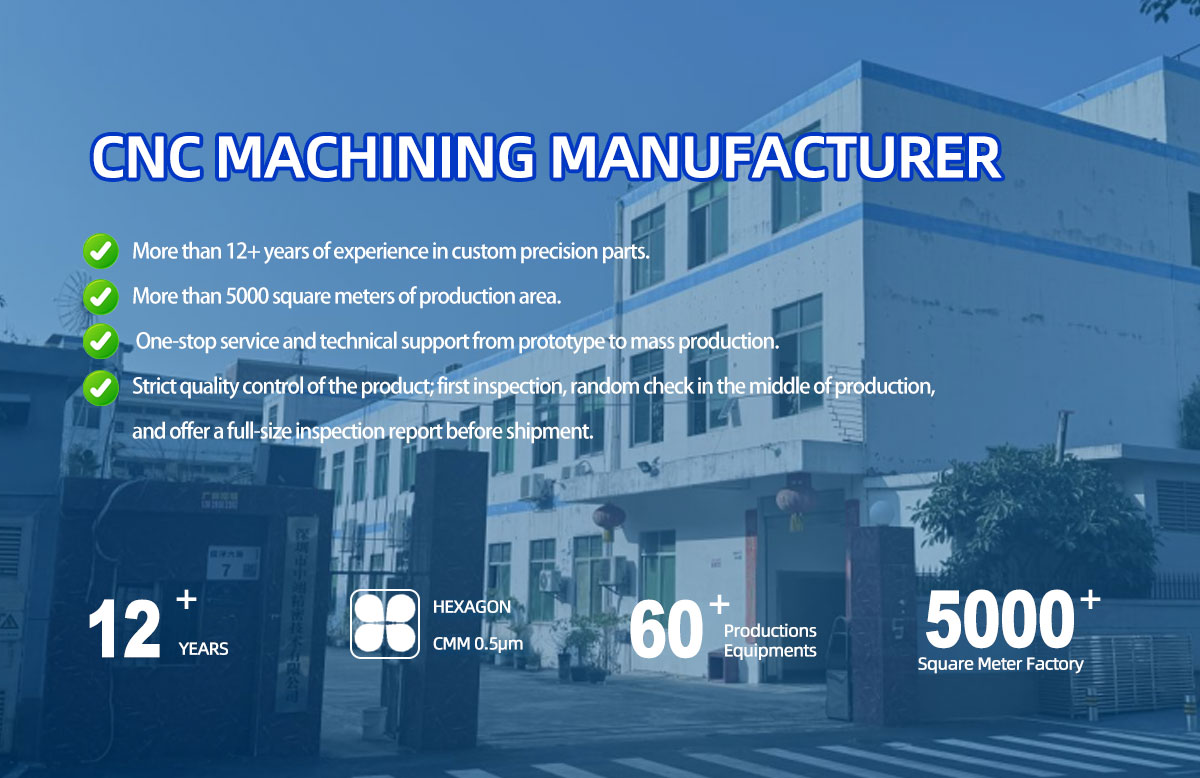
We provide CNC turning solutions designed for optical applications. Our machining processes produce components with consistent alignment and controlled light deviation, forming the structural basis for optical systems. With 12+ years of experience in custom precision parts manufacturing, we operate from a 5,000+ square meter production facility, offering end-to-end services from prototype development to mass production.
Our machining processes achieve tolerances ranging from ±0.001mm to ±0.002mm. Surface finishes range from Ra < 0.2µm to Ra 3.2µm, customizable based on specific application requirements. We offer various surface treatments including polishing, chamfering, hardening and tempering, plating, laser engraving, sandblasting, passivating, anodizing, and brushing.
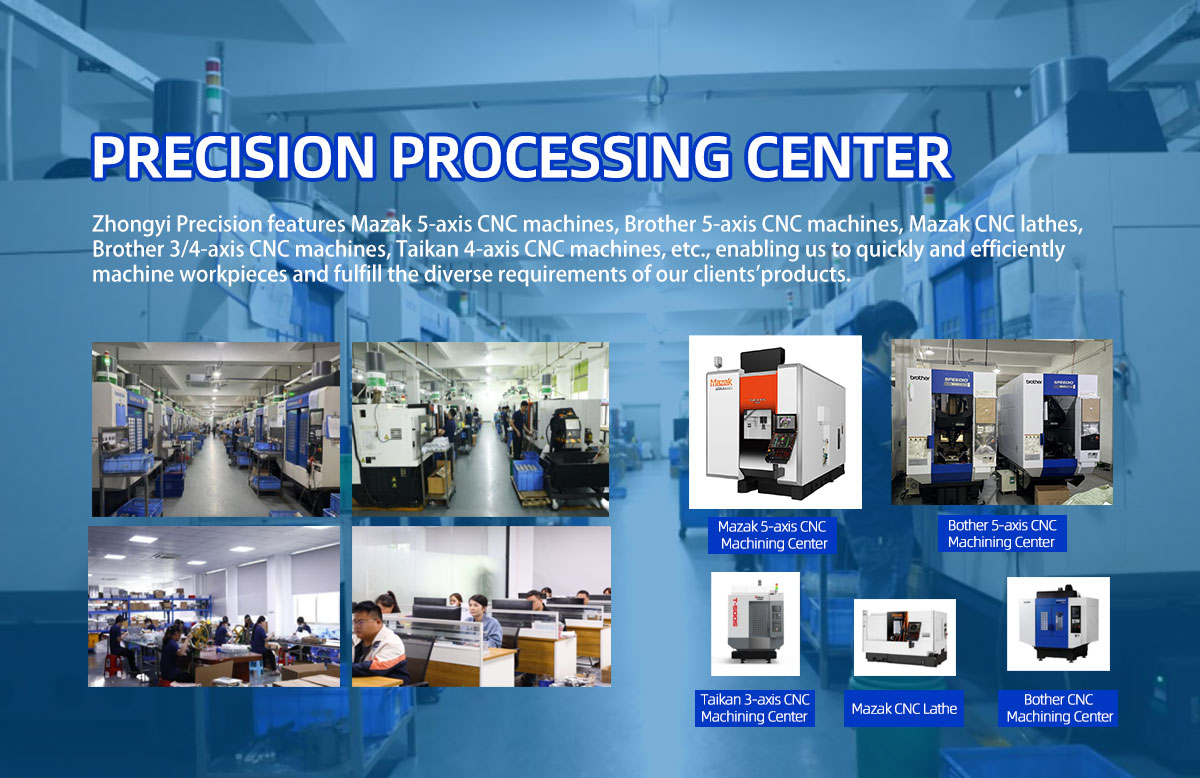
Our facility is equipped with Mazak 5-axis CNC machining centers, Brother 5-axis CNC machining centers, Mazak CNC lathes, Brother 3/4-axis CNC machines, and Taikan 4-axis CNC machines. This equipment allows us to machine workpieces efficiently and meet diverse product requirements for commercial procurement projects.
Parameter | Specification Details |
Product Name | CNC Turning for Optical Industry |
Tolerance / Precision | ±0.001mm - ±0.002mm |
Surface Roughness | Ra < 0.2µm - Ra 3.2µm (Customizable) |
Available Materials | Aluminum, Copper, Brass, Stainless Steel, Titanium, Iron, Plastics (Acrylic, PE, PVC, ABS, POM, PTFE, PEEK, Ultem) |
Surface Treatment | Polishing, Surface Chamfering, Hardening and Tempering, Plating (Nickel, Chrome, Zinc), Laser Engraving, Sandblasting, Passivating, Anodizing (Clear, Color, Sandblast), Brushing |
Processing Methods | CNC Turning, CNC Milling, 5-Axis CNC Machining, Welding, Bending, Stamping, Die Casting, Injection Molding |
Accepted Drawing Formats | STEP, STP, CAD, PDF, DWG, DXF, or physical samples |
Our CNC turning services produce components for various optical systems:
Lens Barrels and Housings: Machined to ensure precise lens alignment, minimizing aberrations and controlling light transmission
Mirror Mounts and Adjusters: Manufactured for laser systems and telescopes, maintaining stability and alignment
Optical Shafts and Spindles: Produced with smooth surfaces and exact diameters for consistent rotation
Fiber Optic Ferrules and Connectors: Machined to tight tolerances for controlled signal loss in fiber optic communications
Prism and Beam Splitter Mounts: Fabricated with exact angles and surface finishes to maintain optical path accuracy
Custom Optical Components: Prototyping and small-batch production of specialized optical parts
Different optical applications require specific material properties. We machine various optical-grade materials to meet environmental and performance criteria:
Thermally Stable Materials: Titanium and stainless steel for applications with temperature fluctuations
Lightweight Materials: High-grade aluminum and advanced engineering plastics for aerospace, drone, and portable imaging applications
High-Performance Polymers: PEEK, Ultem, and PTFE for vacuum or cleanroom environments, offering dimensional stability, chemical resistance, and low outgassing properties
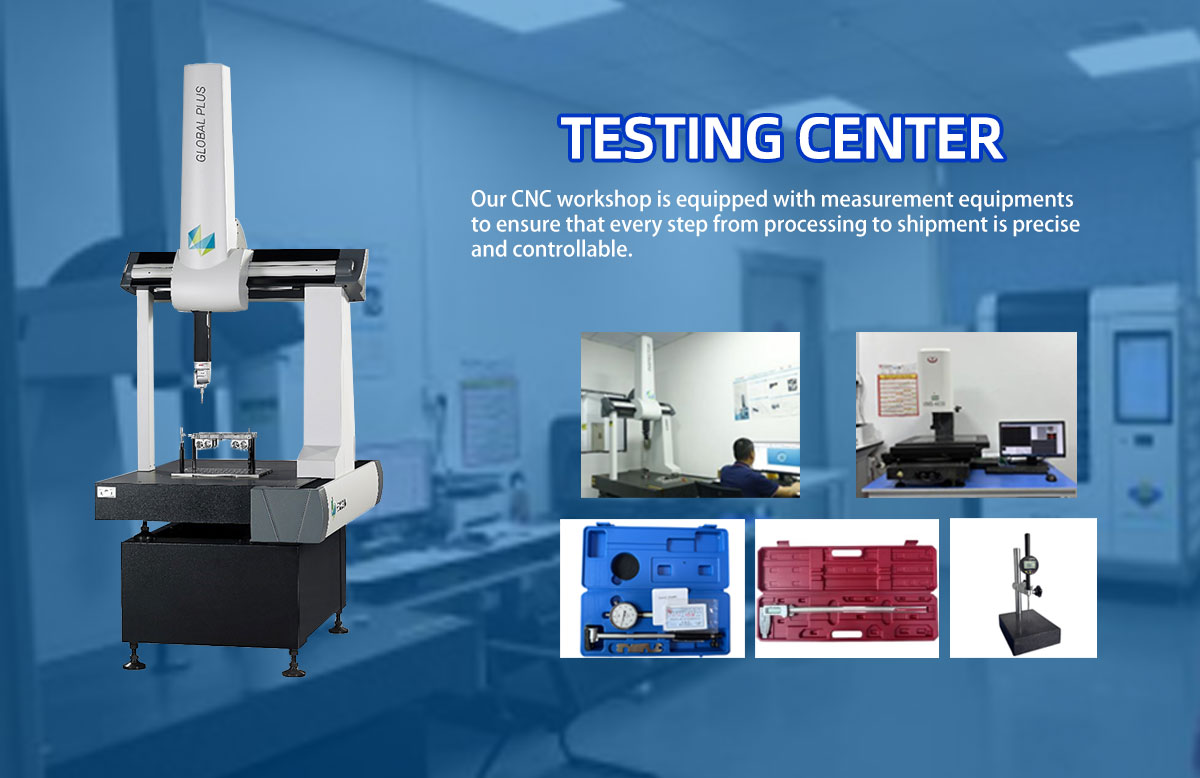
Our CNC workshop is equipped with measurement equipment including Hexagon CMM 0.5m and GLALUS testing instruments. We implement a three-stage quality control process: first inspection before production, random checks during production, and full-size inspection reports provided before shipment.
To customize optical components:
Submit your 2D drawings, 3D models, or physical samples
Specify required tolerances, surface roughness, and material preferences
Our technical team reviews your specifications and provides a quote
Prototype production and approval
Volume production and delivery
We achieve tolerances ranging from ±0.001mm to ±0.002mm for optical components, depending on the specific geometry and material.
We work with aluminum, copper, brass, stainless steel, titanium, iron, and various plastics including acrylic, PE, PVC, ABS, POM, PTFE, PEEK, and Ultem.
Yes, we provide seamless transition from rapid prototyping to volume production, supporting projects of all sizes for industrial applications.
To begin your custom optical component project, submit your drawings or contact our engineering team for technical support. We serve enterprise customers worldwide and adhere to international engineering standards.