
English ![]()

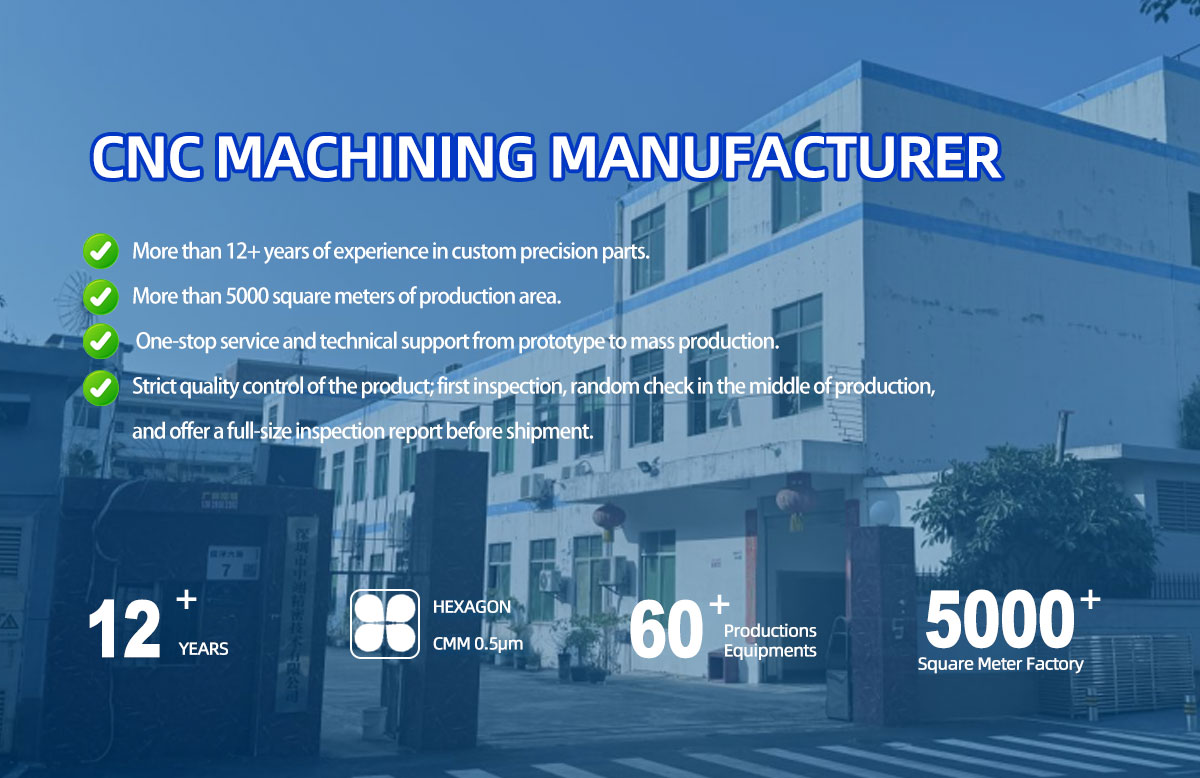
No. 7, Tianyang 6th Road, Dongfang Community, Songgang Street, Bao'an District, Shenzhen, Guangdong, China(518100)


| Quantity: | |
|---|---|
CNC turning has become a cornerstone technology in automotive manufacturing, enabling the production of high-precision components that meet stringent quality and performance standards. As vehicles evolve toward electrification, lightweight construction, and advanced driver-assistance systems (ADAS), CNC turning provides the necessary precision for engine parts, transmission components, and electric vehicle (EV) systems. This subtractive manufacturing process offers exceptional accuracy, repeatability, and efficiency, making it indispensable for both mass production and custom automotive applications.
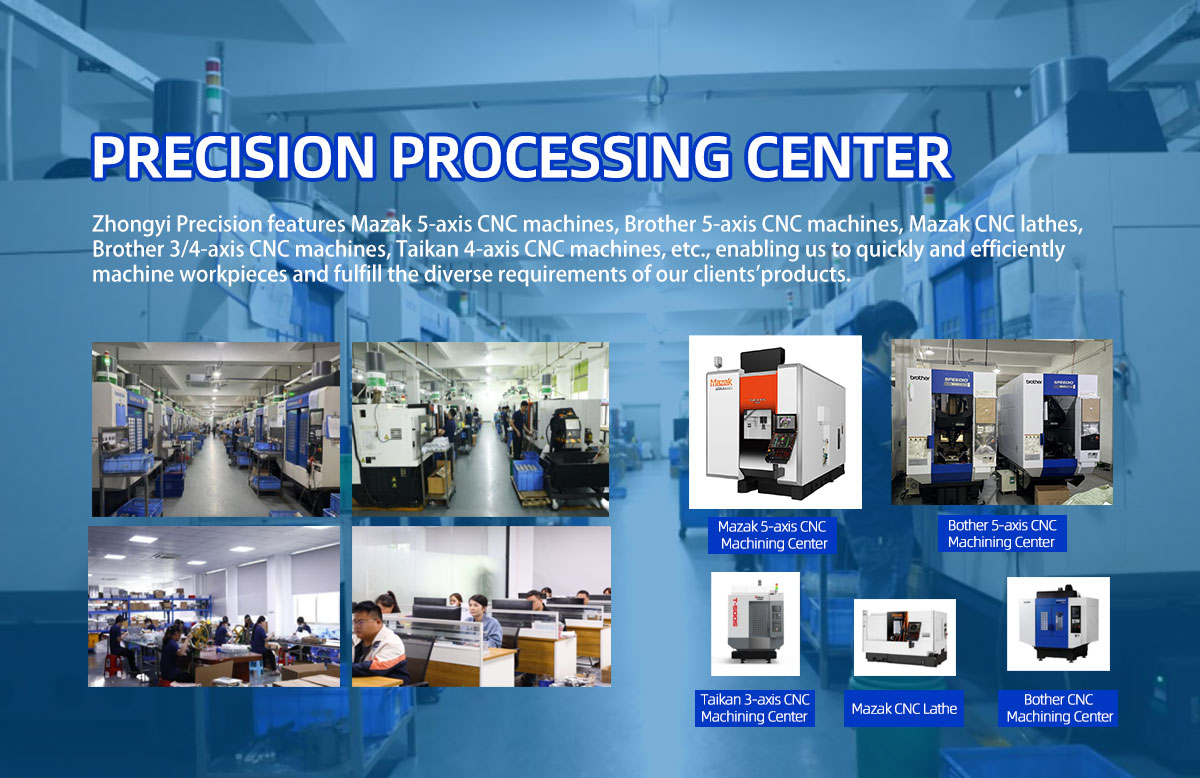
PRODUCTION EQUIPMENTS
Key Applications in the Automotive Industry Engine Components Crankshafts and camshafts Fuel injector nozzles Turbocharger shafts Transmission System | Gear shafts and synchronizer hubs Clutch housings Torque converter parts Suspension and Steering Steering knuckles and tie rods |
Wheel hubs and bearing races Shock absorber components Braking Systems Brake caliper pistons ABS sensor rings Master cylinder housings | Electric Vehicle (EV) Components Motor shafts and rotor cores Battery cooling system fittings Charging connector pins Interior and Exterior Parts Dashboard instrument bezels Door handle mechanisms Exhaust system flanges |
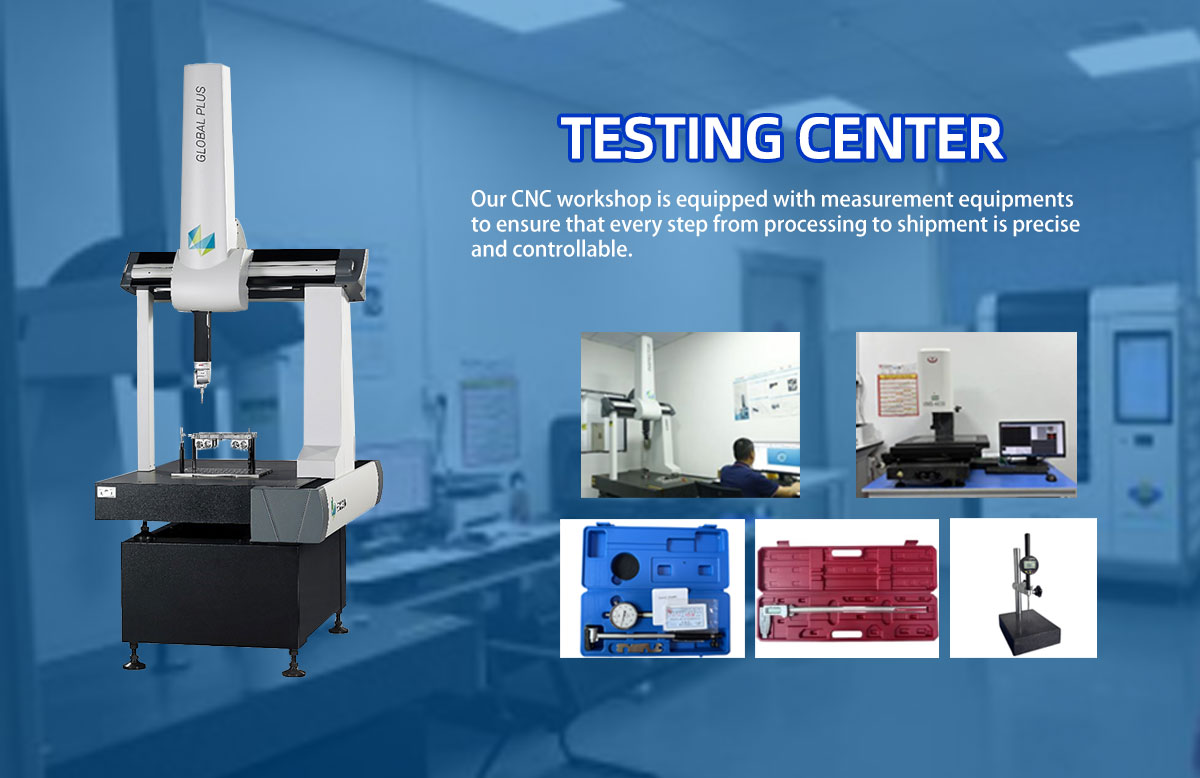
TESTING EQUIPMENTS
Advantages of CNC Turning for Automotive Manufacturing High Precision (±0.005mm Tolerance) Ensures perfect fit for critical moving parts Reduces vibration and wear in powertrain components Superior Surface Finish (Ra 0.1-0.4μm) Minimizes friction in bearing surfaces Provides aesthetic quality for visible components | Material Versatility Processes aluminum alloys for lightweight parts Machines hardened steels for durable components Works with high-temperature alloys for exhaust systems |
Mass Production Efficiency Rapid cycle times (30-90 seconds per part) Automated production lines with robotic loading | Complex Geometry Capability Produces intricate internal grooves and threads Combines multiple operations in single setup |
| Consistency Across Production Runs Maintains tight tolerances over 100,000+ parts Ensures component interchangeability | Cost-Effective Solutions Reduces material waste compared to casting Minimizes secondary processing requirements |
Industry-Specific Benefits Lightweighting: Enables aluminum and magnesium parts for fuel efficiency Durability: Hardened steel components for extended service life Thermal Management: Precision parts for cooling systems Safety Compliance: Meets critical automotive safety standards | Emerging Trends in Automotive CNC Turning EV Revolution Increased demand for motor and battery components Specialized conductive materials machining |
Smart Manufacturing IoT-enabled machine monitoring AI-based quality control systems | Sustainable Production Improved material utilization Energy-efficient machining processes Advanced Materials High-strength aluminum alloys Composite-embedded components |
Case Study Examples Turbocharger Shaft Production 0.002mm runout tolerance achieved 40% reduction in machining time through optimized toolpaths EV Motor Shaft Manufacturing Specialized copper alloy machining Integrated sensor mounting features |
CNC turning remains a vital manufacturing process for the automotive industry, delivering the precision, efficiency, and reliability required for both traditional and next-generation vehicles. As the industry transitions toward electrification and smart mobility solutions, CNC turning adapts to meet new challenges in material science and component complexity. From high-performance engine parts to advanced EV systems, CNC-turned components continue to drive automotive innovation while maintaining the highest quality standards. The technology's ongoing development in automation, precision, and sustainability ensures its central role in future automotive manufacturing.

CNC turning has become a cornerstone technology in automotive manufacturing, enabling the production of high-precision components that meet stringent quality and performance standards. As vehicles evolve toward electrification, lightweight construction, and advanced driver-assistance systems (ADAS), CNC turning provides the necessary precision for engine parts, transmission components, and electric vehicle (EV) systems. This subtractive manufacturing process offers exceptional accuracy, repeatability, and efficiency, making it indispensable for both mass production and custom automotive applications.
PRODUCTION EQUIPMENTS
Key Applications in the Automotive Industry Engine Components Crankshafts and camshafts Fuel injector nozzles Turbocharger shafts Transmission System | Gear shafts and synchronizer hubs Clutch housings Torque converter parts Suspension and Steering Steering knuckles and tie rods |
Wheel hubs and bearing races Shock absorber components Braking Systems Brake caliper pistons ABS sensor rings Master cylinder housings | Electric Vehicle (EV) Components Motor shafts and rotor cores Battery cooling system fittings Charging connector pins Interior and Exterior Parts Dashboard instrument bezels Door handle mechanisms Exhaust system flanges |
TESTING EQUIPMENTS
Advantages of CNC Turning for Automotive Manufacturing High Precision (±0.005mm Tolerance) Ensures perfect fit for critical moving parts Reduces vibration and wear in powertrain components Superior Surface Finish (Ra 0.1-0.4μm) Minimizes friction in bearing surfaces Provides aesthetic quality for visible components | Material Versatility Processes aluminum alloys for lightweight parts Machines hardened steels for durable components Works with high-temperature alloys for exhaust systems |
Mass Production Efficiency Rapid cycle times (30-90 seconds per part) Automated production lines with robotic loading | Complex Geometry Capability Produces intricate internal grooves and threads Combines multiple operations in single setup |
| Consistency Across Production Runs Maintains tight tolerances over 100,000+ parts Ensures component interchangeability | Cost-Effective Solutions Reduces material waste compared to casting Minimizes secondary processing requirements |
Industry-Specific Benefits Lightweighting: Enables aluminum and magnesium parts for fuel efficiency Durability: Hardened steel components for extended service life Thermal Management: Precision parts for cooling systems Safety Compliance: Meets critical automotive safety standards | Emerging Trends in Automotive CNC Turning EV Revolution Increased demand for motor and battery components Specialized conductive materials machining |
Smart Manufacturing IoT-enabled machine monitoring AI-based quality control systems | Sustainable Production Improved material utilization Energy-efficient machining processes Advanced Materials High-strength aluminum alloys Composite-embedded components |
Case Study Examples Turbocharger Shaft Production 0.002mm runout tolerance achieved 40% reduction in machining time through optimized toolpaths EV Motor Shaft Manufacturing Specialized copper alloy machining Integrated sensor mounting features |
CNC turning remains a vital manufacturing process for the automotive industry, delivering the precision, efficiency, and reliability required for both traditional and next-generation vehicles. As the industry transitions toward electrification and smart mobility solutions, CNC turning adapts to meet new challenges in material science and component complexity. From high-performance engine parts to advanced EV systems, CNC-turned components continue to drive automotive innovation while maintaining the highest quality standards. The technology's ongoing development in automation, precision, and sustainability ensures its central role in future automotive manufacturing.


