
English ![]()

No. 7, Tianyang 6th Road, Dongfang Community, Songgang Street, Bao'an District, Shenzhen, Guangdong, China(518100)


CNC milling has become a cornerstone technology in aerospace manufacturing, enabling the production of high-performance components that meet the industry's extreme demands for precision, reliability, and weight optimization. As aerospace systems evolve with more advanced materials and complex geometries, CNC milling provides the necessary capabilities to manufacture critical flight components. This article examines the key applications of CNC milling in aerospace products and highlights its significant advantages.
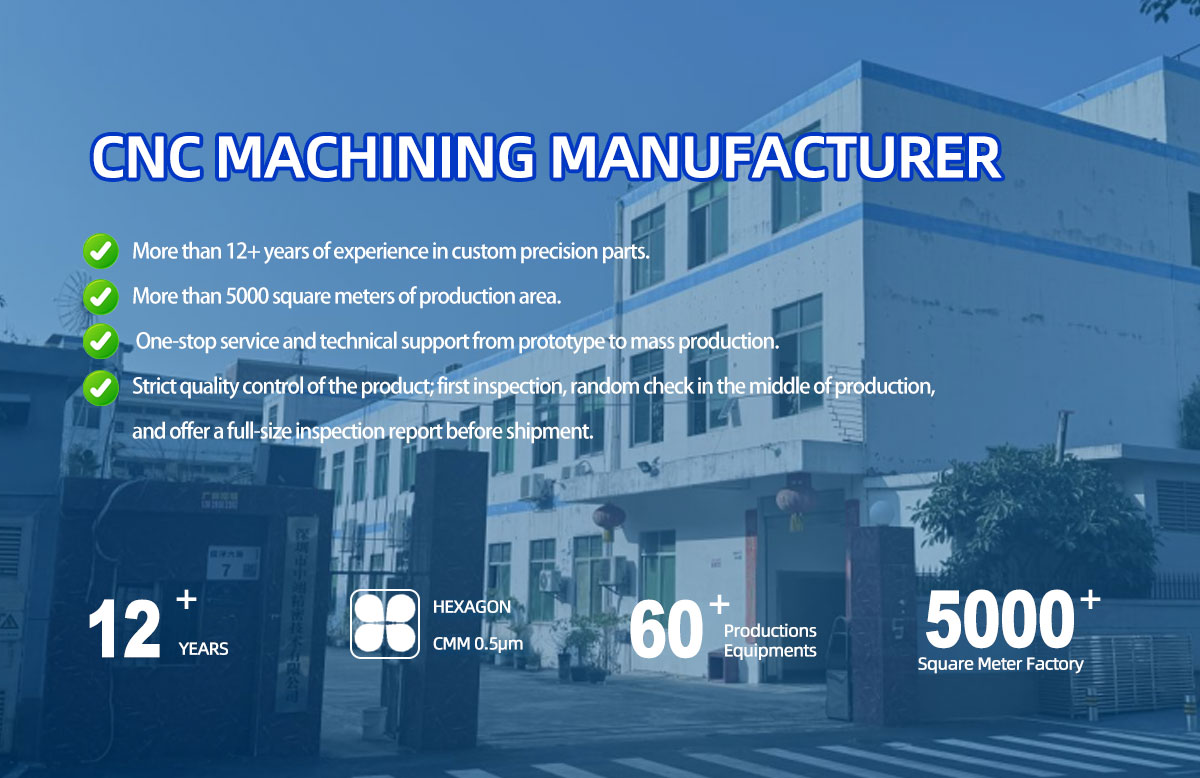
PRODUCTION EQUIPMENTS
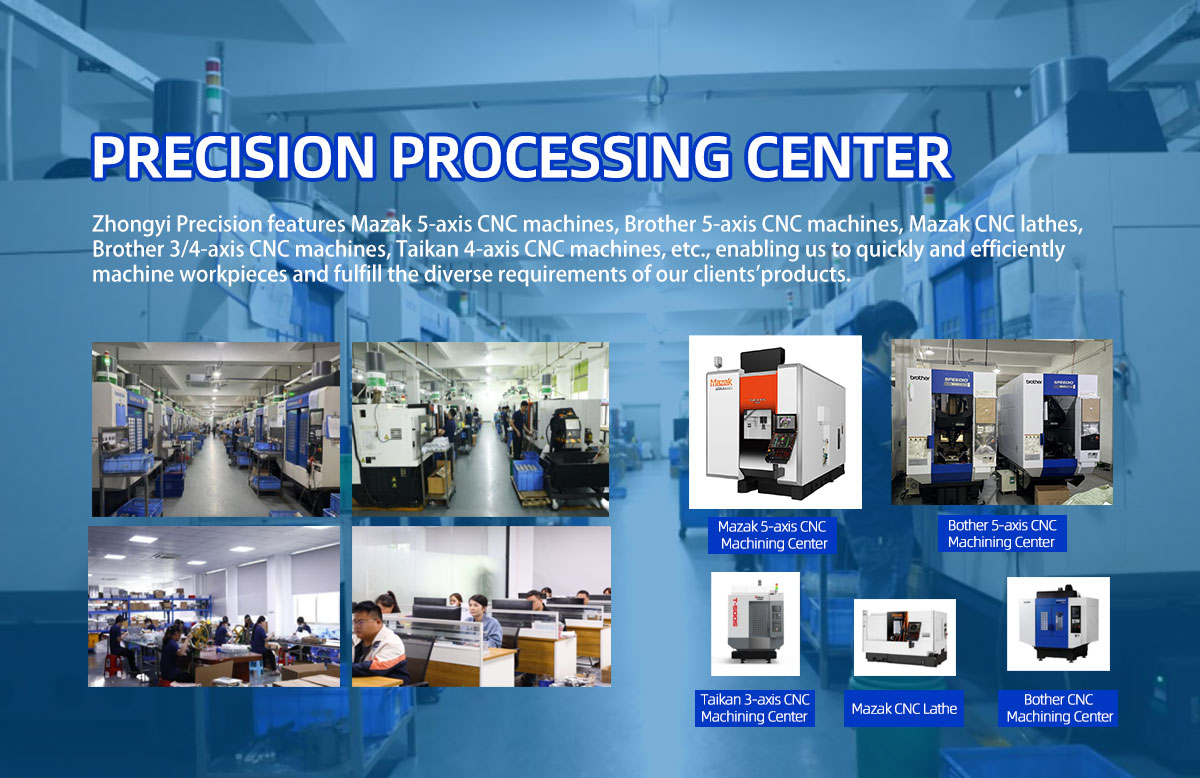
Applications of CNC Milling in Aerospace Components 1. Airframe Structures CNC milling produces essential structural elements: Wing ribs and spars with complex aerodynamic profiles Fuselage frames requiring precise mating surfaces Landing gear components needing exceptional strength | 2. Propulsion Systems Critical engine components manufactured through CNC milling: Turbine blades with precision cooling channels Engine casings and mounts Fuel system components with intricate flow paths |
3. Flight Control Systems High-precision milled parts include: Actuator housings for control surfaces Hydraulic system manifolds Avionics mounting platforms | 4. Interior Components CNC milling creates: Lightweight cabin structures Customized seating components Overhead bin mechanisms |
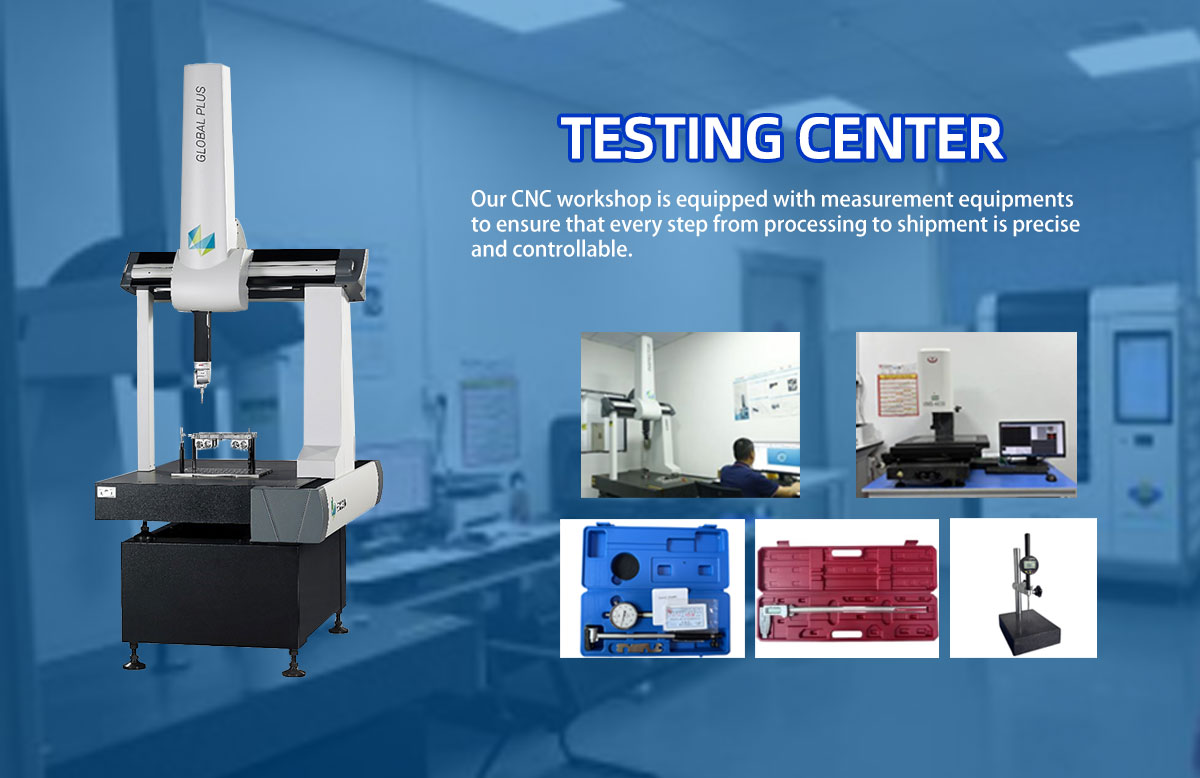
TESTING EQUIPMENTS
Advantages of CNC Milling in Aerospace Manufacturing 1. Extreme Precision Capability Achieves tolerances within ±0.005mm for critical fits Maintains positional accuracy better than 0.01mm Enables production of complex 3D contours | 2. Advanced Material Processing Machines difficult aerospace materials including: Titanium alloys (Ti-6Al-4V) Nickel-based superalloys (Inconel) High-strength aluminum alloys Composite materials |
3. Weight Optimization Features Creates complex lightweight structures: Honeycomb and lattice designs Thin-wall components Integrated stiffening features | 4. Surface Quality Assurance Delivers surface finishes to Ra 0.4μm without polishing Produces stress-free surfaces for fatigue resistance Maintains consistent surface integrity |
5. Production Efficiency High-speed machining of tough materials Reduced setup times through advanced fixturing Automated tool changing for continuous operation | 6. Quality and Traceability Supports full digital process documentation Enables complete production history tracking Facilitates quality assurance protocols |
CNC milling stands as an essential manufacturing process in aerospace applications, providing the precision, material capability, and quality assurance required for flight-critical components. From airframe structures to propulsion systems, this technology enables the production of parts that meet the aerospace industry's stringent performance and safety standards. As aerospace systems continue to advance with new materials and more complex designs, CNC milling will remain at the forefront of manufacturing technologies, supporting innovation while maintaining the reliability required for aerospace applications. The process's ability to combine high precision with material versatility makes it indispensable for current and future aerospace manufacturing needs.

CNC milling has become a cornerstone technology in aerospace manufacturing, enabling the production of high-performance components that meet the industry's extreme demands for precision, reliability, and weight optimization. As aerospace systems evolve with more advanced materials and complex geometries, CNC milling provides the necessary capabilities to manufacture critical flight components. This article examines the key applications of CNC milling in aerospace products and highlights its significant advantages.
PRODUCTION EQUIPMENTS
Applications of CNC Milling in Aerospace Components 1. Airframe Structures CNC milling produces essential structural elements: Wing ribs and spars with complex aerodynamic profiles Fuselage frames requiring precise mating surfaces Landing gear components needing exceptional strength | 2. Propulsion Systems Critical engine components manufactured through CNC milling: Turbine blades with precision cooling channels Engine casings and mounts Fuel system components with intricate flow paths |
3. Flight Control Systems High-precision milled parts include: Actuator housings for control surfaces Hydraulic system manifolds Avionics mounting platforms | 4. Interior Components CNC milling creates: Lightweight cabin structures Customized seating components Overhead bin mechanisms |
TESTING EQUIPMENTS
Advantages of CNC Milling in Aerospace Manufacturing 1. Extreme Precision Capability Achieves tolerances within ±0.005mm for critical fits Maintains positional accuracy better than 0.01mm Enables production of complex 3D contours | 2. Advanced Material Processing Machines difficult aerospace materials including: Titanium alloys (Ti-6Al-4V) Nickel-based superalloys (Inconel) High-strength aluminum alloys Composite materials |
3. Weight Optimization Features Creates complex lightweight structures: Honeycomb and lattice designs Thin-wall components Integrated stiffening features | 4. Surface Quality Assurance Delivers surface finishes to Ra 0.4μm without polishing Produces stress-free surfaces for fatigue resistance Maintains consistent surface integrity |
5. Production Efficiency High-speed machining of tough materials Reduced setup times through advanced fixturing Automated tool changing for continuous operation | 6. Quality and Traceability Supports full digital process documentation Enables complete production history tracking Facilitates quality assurance protocols |
CNC milling stands as an essential manufacturing process in aerospace applications, providing the precision, material capability, and quality assurance required for flight-critical components. From airframe structures to propulsion systems, this technology enables the production of parts that meet the aerospace industry's stringent performance and safety standards. As aerospace systems continue to advance with new materials and more complex designs, CNC milling will remain at the forefront of manufacturing technologies, supporting innovation while maintaining the reliability required for aerospace applications. The process's ability to combine high precision with material versatility makes it indispensable for current and future aerospace manufacturing needs.


