
English ![]()

No. 7, Tianyang 6th Road, Dongfang Community, Songgang Street, Bao'an District, Shenzhen, Guangdong, China(518100)
Views: 126 Author: Site Editor Publish Time: 2026-09-18 Origin: Site
Specifying the wrong surface finish on machined components causes severe engineering headaches. Dimensional tolerances vanish instantly. Parts fail prematurely via aggressive corrosion. Supply chains face unnecessary delays and soaring rejection rates. You need a finishing strategy that effectively balances environmental protection with strict cosmetic requirements. It must ensure precise assembly fitment without adding excessive manufacturing lead time. Many engineers struggle to choose between common finishes when designing tight-tolerance structural assemblies.
This guide provides an objective, data-backed comparison of blackening coating versus zinc plating. We tailored this breakdown specifically for mechanical engineers and procurement teams sourcing custom part machining. You will learn exactly how each process impacts dimensions. We will reveal how they prevent rust and affect overall component durability. By understanding these core metallurgical differences, you can confidently specify the right surface treatment for your next critical project.
Dimensional Impact: Blackening coating is a conversion process that adds functionally zero thickness (ideal for tight tolerances); zinc plating is an additive process that adds measurable thickness (0.0002" to 0.0005").
Corrosion Resistance: Zinc plating acts as a sacrificial anode, offering superior standalone rust protection (96+ hours in salt spray). Blackening coating offers minimal corrosion resistance unless continuously impregnated with oil or wax.
Visual & Functional Wear: Blackening reduces light reflection and resists galling on threads. Zinc provides higher durability against physical abrasion but can suffer from "white rust" over time.
Compliance: Both can be RoHS compliant, but buyers must specifically request trivalent chromate for zinc plating to avoid hazardous hexavalent chromium.
To make an informed decision, you must first understand the fundamental chemistry behind each surface treatment. They modify metal surfaces in completely different ways. They rely on distinct chemical reactions to protect the underlying steel substrate.
A blackening coating represents a chemical conversion process rather than a true physical layer. Manufacturers typically use a hot iron oxide bath or a cold cupric selenite solution. This treatment forcibly turns the top microscopic layer of the ferrous metal into magnetite (Fe3O4). It permanently alters the surface structure.
Implementation Reality: This process does not build up any extra material. The magnetite layer simply integrates into the existing steel structure. However, magnetite alone cannot stop moisture. It relies entirely on a secondary post-treatment for actual corrosion protection. Operators usually dip the parts in specialized oil, wax, or lacquer. The porous magnetite absorbs this secondary sealant. You must maintain this oil barrier to prevent rust.
Zinc plating utilizes a standard electrodeposition process. Operators submerge parts in an electrolyte bath. An electrical current forces positively charged zinc ions to bond with the negatively charged steel substrate. A physical layer of zinc completely coats the part. After plating, the surface receives a chromate conversion coating. You can specify clear, yellow, or black chromate.
Implementation Reality: Zinc provides cathodic protection, also known as sacrificial protection. Zinc is inherently more reactive than steel. If a scratch exposes the bare steel underneath, the surrounding zinc will oxidize first. It absorbs the corrosive attack. It sacrifices itself to keep the underlying component safe.
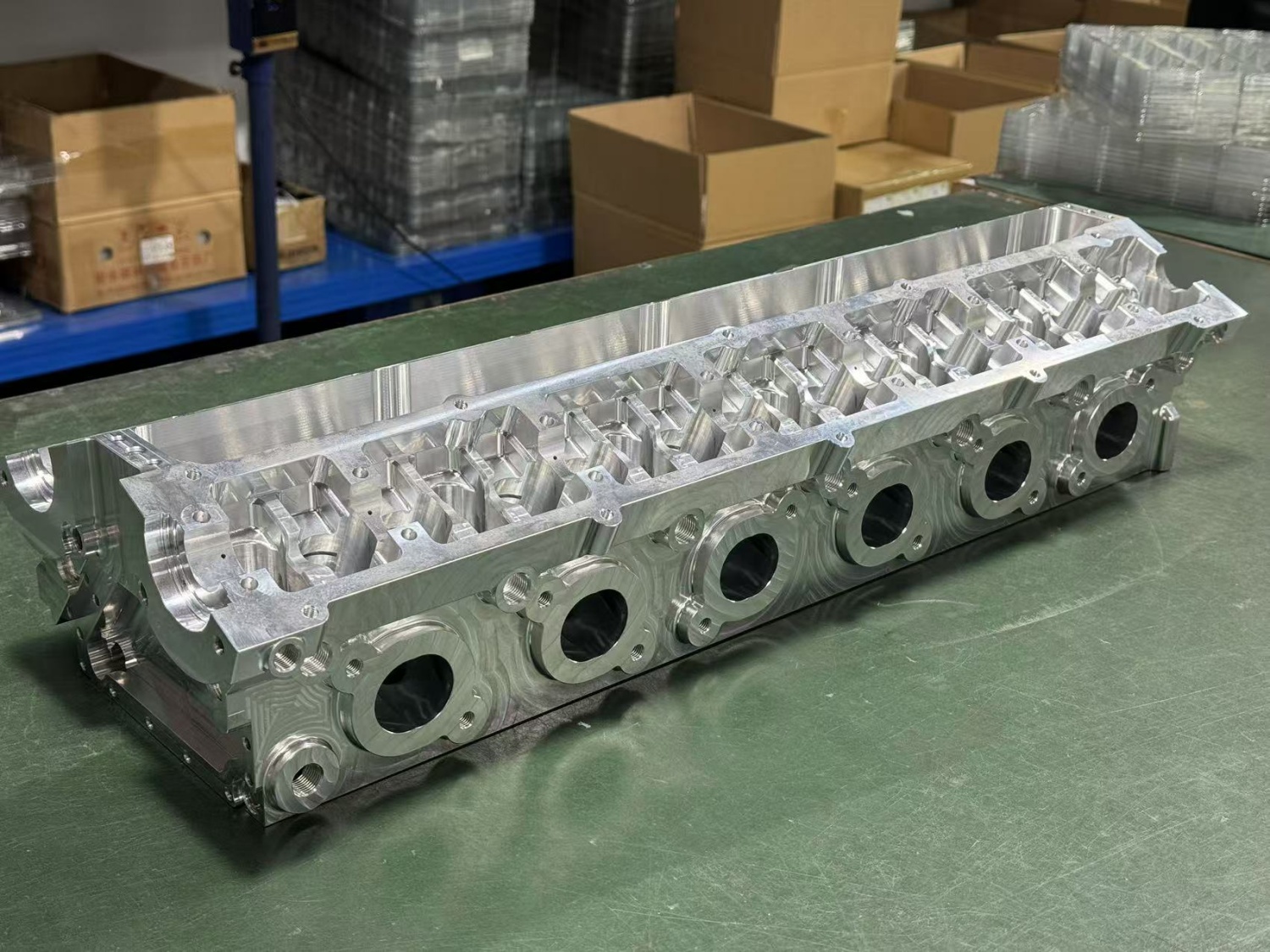
Choosing between these two finishes requires a strict technical evaluation. You must analyze how each process interacts with your part geometry. Precision fitment and field environments dictate which coating will succeed.
Precision manufacturing demands careful finish selection. A blackening coating causes absolutely zero dimensional shift. The conversion process penetrates the surface rather than sitting on top of it. This characteristic proves essential for components produced via 5-Axis CNC machining or precise wire EDM machining. When you design micron-level tolerances, tight bearing fits, or intricate internal threads, black oxide maintains those critical dimensions perfectly.
Conversely, zinc plating always adds variable thickness. A typical zinc layer measures between 0.0002" and 0.0005" per surface. This buildup aggressively impacts circular features. Pitch diameters on fine machine threads may become completely out-of-spec. A 0.0005" layer on a thread flank alters the overall pitch diameter by up to 0.002". You must account for this plating buildup during the initial machining phase to avoid assembly failures.
Engineers rely on ASTM B117 salt spray testing to validate corrosion resistance. Empirical data clearly separates these two finishes.
A blackening coating typically fails bare salt spray tests within just 1 to 2 hours. Flash rust appears almost immediately in aggressive environments. If you apply a high-quality supplemental oil dip, the finish can achieve 50 to 100 hours of protection. You should never recommend this finish for harsh outdoor use. Moisture will quickly strip the oil and attack the steel.
Zinc plating excels in corrosive environments. Standard commercial zinc with a clear trivalent chromate easily exceeds 96 hours to white rust. White rust represents the zinc oxidizing, not the steel. High-build black zinc can push past 150 hours before significant degradation occurs. It remains the ideal choice for components facing outdoor weather or marine conditions.
Surface friction dictates how mechanical assemblies perform over time. A blackening coating excels in dynamic friction environments. The oil-impregnated magnetite surface acts as a highly effective dry lubricant. It prevents severe galling on threaded fasteners during installation. It also extends tooling life in high-wear applications, such as internal injection mold components or sliding gear tracks.
Zinc plating can significantly increase surface friction. Fasteners may require specific torque-tension adjustments during assembly. Furthermore, you face a crucial material risk. High-strength steels rated above 40 HRC are highly susceptible to hydrogen embrittlement. The zinc electroplating process introduces raw hydrogen into the steel lattice. This trapped hydrogen causes sudden, catastrophic failure under load. Plated high-strength parts require immediate post-baking within four hours to safely outgas the hydrogen.
Procurement teams must evaluate surface finishes beyond simple performance metrics. Batch scalability and environmental compliance directly influence manufacturing timelines. They also impact long-term supplier reliability.
Both processes offer highly economical solutions for bulk processing. Barrel plating and barrel coating work beautifully for high-volume fasteners or small brackets. The parts tumble gently inside a rotating perforated barrel. This method drives down individual unit costs significantly.
However, rack processing increases costs for both methods. Large, fragile, or highly cosmetic parts require manual hanging on custom metal racks. This prevents physical damage during processing. While rack costs are similar for both finishes, zinc plating requires more stringent chemical bath maintenance. Plating facilities must constantly monitor anodes, chemical brighteners, and electricity consumption. Zinc also requires complex waste treatment for heavy metals. These factors slightly elevate long-term supply chain costs for plated parts.
Global environmental regulations strictly govern metal finishing operations. You must verify compliance to avoid severe shipment rejections at customs checkpoints.
A standard black oxide process remains inherently RoHS and REACH compliant. The iron oxide conversion involves no restricted heavy metals. You can ship these parts globally without regulatory concern.
Zinc plating requires strict verification from your vendors. Buyers must explicitly specify trivalent zinc chromate (Cr3+). Legacy processes utilized hexavalent black zinc (Cr6+). Hexavalent chromium is highly toxic and strictly banned by RoHS directives. Using it poses immediate supply chain rejection risks in the EU and North American markets. Always audit your plating suppliers to ensure they use compliant trivalent baths.
To simplify your engineering choices, we developed a clear decision framework. Follow these specific guidelines when evaluating your mechanical designs. This structured approach prevents costly rework.
Specify Blackening Coating When:
You are designing precision internal assemblies like complex gears, miniature bearings, or drive sprockets.
You manufacture optical equipment, laser housings, or medical cameras requiring zero light reflectivity.
You design mating components where any dimensional build-up is completely unacceptable.
The parts operate exclusively in controlled indoor environments with minimal moisture exposure.
Specify Zinc Plating When:
The mechanical parts face exposure to external weather, high humidity, or mild chemical environments.
You are designing robust structural brackets, vehicle chassis components, or exterior construction fasteners.
Your machining tolerances remain loose enough to easily accommodate a 0.0005" radial buildup.
You require a highly durable sacrificial layer to protect against accidental surface scratching.
Surface Finish Comparison Matrix
| Feature Matrix | Blackening Coating | Zinc Plating |
|---|---|---|
| Process Type | Chemical Conversion | Electrodeposition |
| Thickness Added | None (0.0000") | 0.0002" - 0.0005" |
| Corrosion Protection | Low (requires oil) | High (sacrificial anode) |
| Galling Resistance | Excellent | Poor to Moderate |
| Visual Appearance | Matte Black | Clear, Yellow, or Black |
Even seasoned engineers occasionally misunderstand surface finishing limitations. We frequently observe critical errors during the design review phase. Avoid these specific traps to keep your manufacturing pipeline smooth.
Myth 1: Expecting "Dry" Black Oxide to Prevent Rust. Many designers specify a blackening finish but explicitly request no secondary oil dip to keep parts clean. This guarantees immediate flash rusting while the parts sit in transit. Without oil or wax, the bare magnetite layer absorbs ambient atmospheric humidity instantly.
Myth 2: Ignoring Plating Build-Up on Blind Holes. Zinc builds up aggressively on the entry edges of blind threaded holes. Forgetting to mask these holes or failing to adjust pre-plate thread diameters leads to massive assembly-line stoppages. Screws will bind and snap inside the plated holes.
Myth 3: Substituting Black Zinc for Black Oxide on Tooling. Engineers sometimes use black zinc to mimic the look of black oxide. However, black zinc will chip and flake rapidly under high-pressure friction. Black oxide will never chip or flake, as it remains an integral part of the base metal.
The final verdict on surface treatments depends entirely on your specific application environment. Neither finish is objectively "better" in all scenarios. A black oxide finish remains the unquestioned standard for precision, tight-tolerance internal components. Zinc plating stands as the default workhorse for robust, external corrosion resistance.
Your next-step action should involve clear communication with your manufacturing partners. Partnering with a comprehensive custom CNC parts manufacturer ensures that finish requirements are factored into the initial machining strategy. They will help you intentionally machine internal threads undersize to accommodate protective zinc buildup later.
Stop guessing how finishes will alter your tight-tolerance designs. Explore our integrated CNC machining services today to get expert DFM (Design for Manufacturing) feedback on the optimal surface finish for your next critical project.
A: No. Blackening (black oxide) requires a ferrous substrate (iron/steel) to trigger the chemical reaction. However, you can specify "Black Zinc," which is a zinc plating followed by a black chromate conversion.
A: Costs are highly comparable and depend primarily on part geometry (barrel vs. rack processing) rather than the chemical cost. Zinc plating tends to be marginally more expensive due to environmental disposal fees.
A: No. Because it adds no thickness, blackening will highlight existing surface textures. If cosmetic smoothness is required, the part must be polished prior to coating.


