
English ![]()

No. 7, Tianyang 6th Road, Dongfang Community, Songgang Street, Bao'an District, Shenzhen, Guangdong, China(518100)


| Quantity: | |
|---|---|
As a premier manufacturer and supplier of advanced subtractive manufacturing solutions, we deliver specialized 5-axis CNC machining tailored specifically for the aerospace sector. This advanced technology ensures the flawless creation of mission-critical flight components, offering unprecedented geometric freedom for complex designs where every single micron dictates performance.
Simultaneous 5-axis cutting capabilities for continuous tool engagement
Engineered to meet extreme atmospheric and thermal flight demands
Optimized for producing lightweight, high-strength monolithic structures
Designed to consolidate assemblies and eliminate redundant fasteners
| Parameter | Value |
|---|---|
| Processing Service | 5-Axis CNC Machining, CNC Milling, CNC Turning |
| Precision/Tolerance | ±0.001mm - ±0.0025mm |
| Surface Roughness | Ra0.2 - Ra3.2 (Customizable) |
| Max Part Size | Up to 8-meter components |
| Batch Consistency | ±0.01mm |
| Spindle Speed | 15,000+ RPM (High-Speed Machining) |
| Aerospace Materials | Aluminum Alloys (7075, 2024, 6061), Titanium (Ti-6Al-4V, Beta alloys), High-Temperature Alloys (Inconel, Hastelloy), Composites (CFRP) |
| Other Materials | Copper, Brass, Stainless Steel, Iron, Plastic, Acrylic, PE, PVC, ABS, POM, PTFE, etc. |
| Surface Treatment | Polishing, Chamfering, Hardening and Tempering, Plating (Nickel, Chrome, Zinc), Laser Engraving, Sandblasting, Passivating, Anodizing (Clear, Color, Sandblast), Brushing |
| Drawing Formats | STEP, STP, CAD, PDF, DWG, DXF, or Physical Samples |
| Aerospace Applications | Aircraft Structures (Wing ribs, fuselage frames), Propulsion Systems (Turbine blades, engine casings), Spacecraft Components, Flight Control Systems, Interior Systems |
Key Aerospace Applications
Aircraft Structures
Wing ribs and spars with optimized aerodynamics
Lightweight fuselage frames
Landing gear components
Propulsion Systems
Turbine blades with cooling channels
Engine casings and mounts
Fuel system components
Spacecraft Components
Satellite antenna reflectors
Rocket nozzle interiors
Space telescope mounts
Flight Control Systems
Hydraulic valve bodies
Actuator housings
Flight control surfaces
Interior Systems
Cabin ventilation ducts
Custom seating components
Overhead bin mechanisms
Technical Advantages
The rigorous environment of the stratosphere and the vacuum of space leave absolutely zero room for manufacturing errors. Our production ecosystem is built entirely around the specific pain points of aerospace procurement and engineering, ensuring that every milled part meets the uncompromising standards of modern aviation and space exploration.
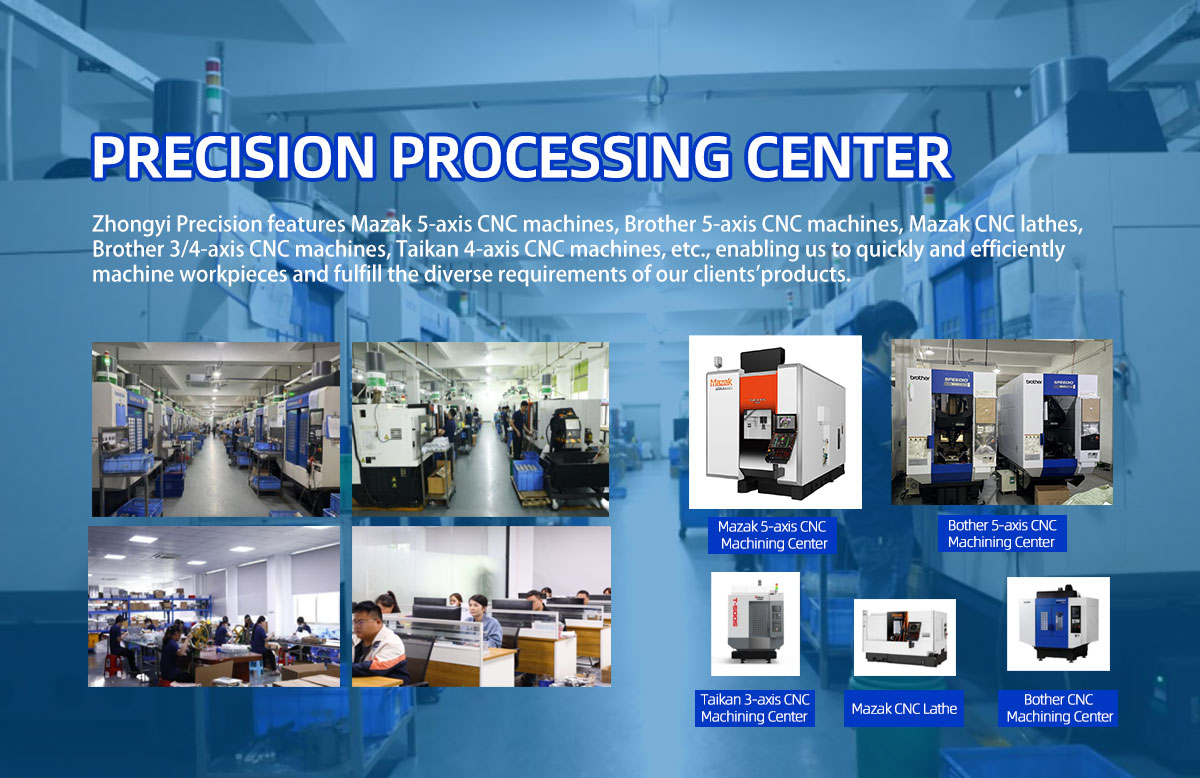
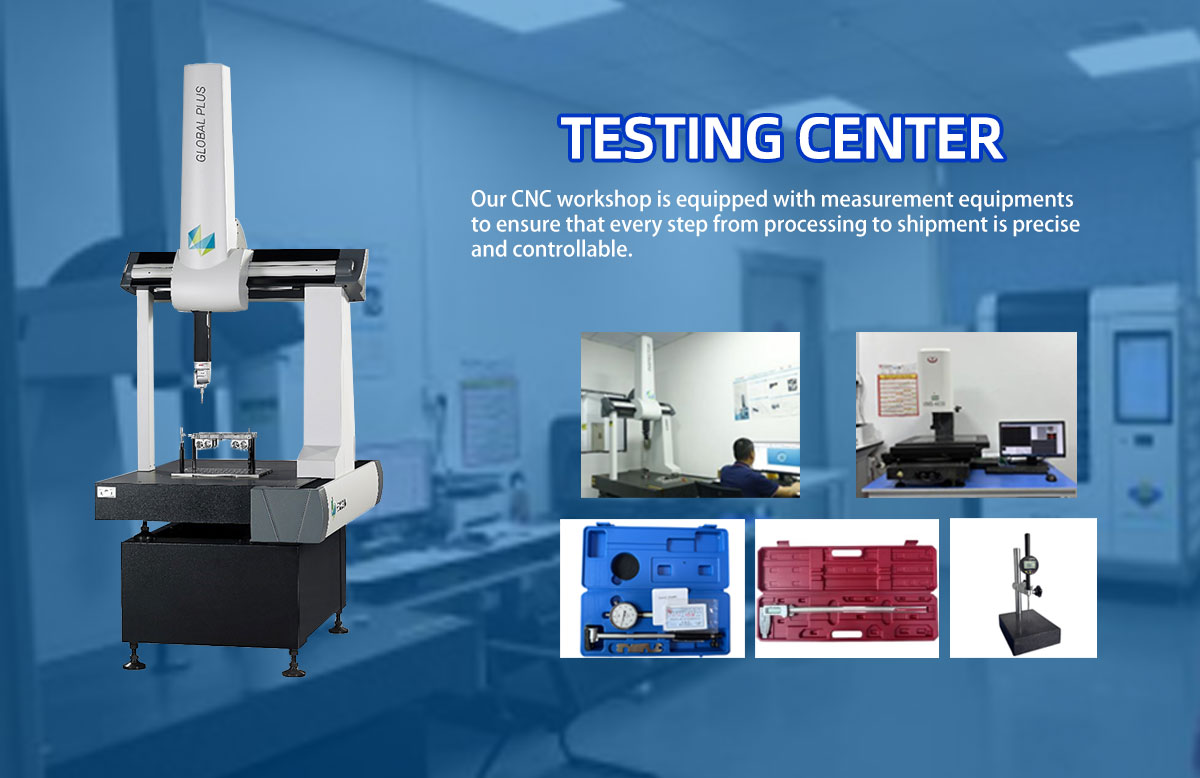
Extreme Precision & Tolerance Control: Aerospace components demand absolute dimensional accuracy to function safely. We maintain an ultra-tight tolerance range of ±0.001mm to ±0.0025mm, backed by rigorous CMM inspections and 100% pre-shipment verification to guarantee the safety and reliability of critical flight systems.
Aerospace-Grade Material Expertise: We possess mature, highly refined cutting strategies for the industry's most challenging materials. From managing severe tool wear on rigid Titanium (Ti-6Al-4V) to the high-efficiency milling of High-Temperature Superalloys (Inconel, Hastelloy) and Carbon Fiber Reinforced Polymers (CFRP), our material mastery is absolute.
Single-Setup Machining for Complex Geometries: By utilizing simultaneous 5-axis articulation, we machine turbine blades, deep cavities, and complex undercuts in a single setup. This eradicates the cumulative dimensional errors caused by multiple positionings and drastically accelerates the overall production cycle.
Superior Surface Integrity: The fatigue life of an aviation component is intrinsically linked to its surface finish. We achieve exceptional surface roughness down to Ra0.2μm directly off the machine, eliminating unpredictable manual polishing and preserving the structural integrity required for high-pressure engine environments.
Industry Certifications & Traceability: Regulatory compliance is the foundation of aerospace sourcing. Our operations align with stringent aviation quality management standards, providing complete raw material traceability and comprehensive testing documentation to establish an unbreakable chain of trust.
Flexible Capacity & Large-Part Machining: Catering to the high-mix, low-volume nature of aerospace procurement, we seamlessly scale from rapid prototype validation to full batch production. Our state-of-the-art facilities can accommodate massive structural components, including monolithic wing spars up to 8 meters in length.
Cost Efficiency & Material Utilization: Aviation alloys represent a massive financial investment. Our optimized tool paths achieve exceptional material utilization, minimizing expensive waste while delivering lightweight structures that reduce the aircraft's lifetime fuel consumption and total operational costs.
Selecting a manufacturing partner for flight-critical components is a strategic decision that impacts the entire lifecycle and safety record of an aircraft. As a dedicated supplier, we do not merely execute CAD drawings; we actively enhance the manufacturability and performance of your designs. Our facility represents a convergence of seasoned engineering talent and cutting-edge digital manufacturing technologies, operating with a singular focus on unyielding reliability.
Digital Twin Integration: We utilize real-time machining simulation to predict and optimize cutting parameters before a single metal chip is formed, ensuring flawless execution on the very first production run.
AI-Optimized Processes: Adaptive cutting technologies automatically adjust feed rates and predict tool wear in real-time, maintaining absolute batch consistency (±0.01mm) across entire production runs without human intervention.
End-to-End Engineering Support: From initial 3D model manufacturability analysis to final surface treatment selection, our engineering team collaborates closely with your designers to resolve complex manufacturing bottlenecks early in the process.
Sustainable Manufacturing Practices: We implement energy-efficient machining strategies and rigorous recyclable metal chip management systems, aligning seamlessly with the global aerospace industry's push toward greener, more sustainable production.
Unwavering Delivery Reliability: We deeply understand that supply chain delays can ground entire assembly lines. Our flexible scheduling and robust production capacity ensure that your critical components arrive precisely when your assembly teams need them.


