
English ![]()

No. 7, Tianyang 6th Road, Dongfang Community, Songgang Street, Bao'an District, Shenzhen, Guangdong, China(518100)


Our CNC milling process supports automotive component manufacturing for commercial users across powertrain, chassis, electric vehicle, and trim assembly applications. We operate IATF 16949 certified production lines configured for both prototype development and series production, with process controls aligned to automotive production part approval process requirements. Our facility handles both low-volume niche vehicle programs and high-volume production runs, with dedicated program management for each automotive customer account.
We support production part approval processes including dimensional layouts, material certifications, and capability studies for critical characteristics. Our engineering team collaborates with customer design teams to review designs for manufacturability prior to tooling kickoff, identifying opportunities to reduce cycle time while maintaining print requirements. Secondary operations including assembly, welding, and surface treatment are available to deliver turnkey components.
Specification | Details |
|---|---|
Processing | CNC Turning, CNC Milling, CNC 5-axis machining, Welding, Bending, Stamping, Die Casting, Injection Molding, etc. |
Materials Available | Aluminum, Copper, Brass, Stainless Steel, Titanium, Iron, Plastic, Acrylic, PE, PVC, ABS, POM, PTFE etc. |
Tolerance | ±0.001mm |
Surface Roughness | Ra0.2 - Ra3.2 (Customizable) |
Surface Treatment | Polishing, Surface Chamfering, Hardening and Tempering, Nickel plating, Chrome plating, Zinc plating, Laser engraving, Sandblasting, Passivating, Clear Anodized, Color Anodized, Sandblast Anodized, Brushing, etc. |
Drawing Format | STEP, STP, CAD, PDF, DWG, DXF, etc., or samples |
Applications | Powertrain Systems, Chassis and Suspension, Electric Vehicle Components, Interior and Exterior Trim |
Quality Control | 100% Inspection before shipment, CMM, Optical Comparator |
Certifications | ISO 9001, IATF 16949, RoHS |
Lead Time | 3-7 days for prototypes, 10-30 days for mass production |
The CNC milling process produces engine components including valve bodies, thermostat housings, and mounting brackets with controlled surface finishes for sealing applications. Transmission valve bodies include precision spool bores with consistent diameter tolerances to maintain hydraulic control pressure. Coolant passage features are machined to specified flow areas, with deburred edges to prevent flow restriction. All sealing surfaces maintain flatness within 0.01mm to prevent fluid leaks under operating temperatures and pressures.
We machine steering knuckles, control arm brackets, and suspension mounting points using 5-axis CNC milling to process multiple mounting faces in single setups. Bearing seat diameters are held to tight tolerances to maintain press fit specifications, while brake caliper mounting faces are machined perpendicular to rotor axes to ensure even pad wear. All structural components undergo material hardness verification prior to shipment.
The CNC milling process produces battery enclosure components, motor mount brackets, and power electronics housings with EMI shielding features. Cooling channel surfaces are machined to specified roughness to support thermal interface material performance. High-voltage connector mounting points maintain position accuracy to ensure proper connector engagement during vehicle assembly. Aluminum alloy components are processed with controlled chip evacuation to prevent contamination of electrical contact surfaces.
We machine trim mounting brackets, sensor mounts, and exterior emblem substrates with cosmetic surface requirements. Painting and plating substrates are machined to consistent surface roughness to support uniform finish adhesion. Fixture locations are designed to minimize part marking during machining for class A surface applications.
 |  | 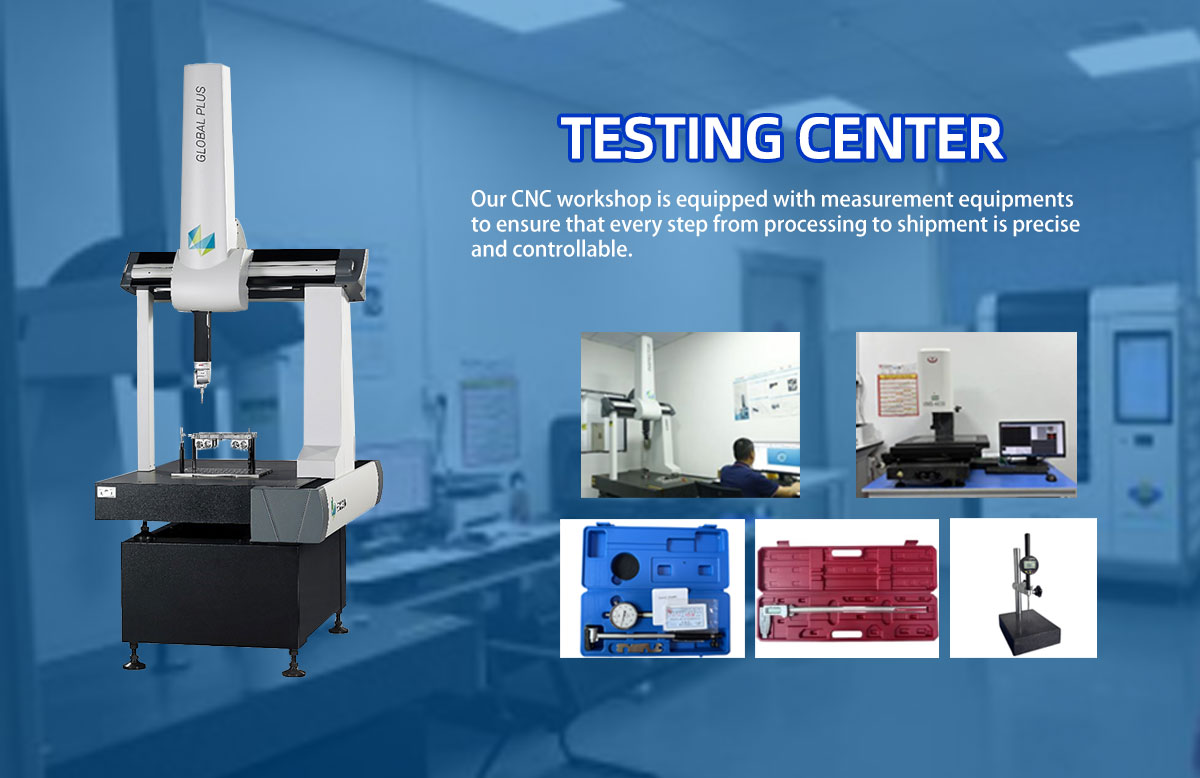 |
Our CNC milling process follows control plans developed for each part number, with critical characteristics identified and monitored per customer requirements. Process capability studies are conducted for significant characteristics, with Cpk values documented during PPAP submission. In-process inspection points are established at defined operation intervals to detect variation before non-conforming parts are produced.
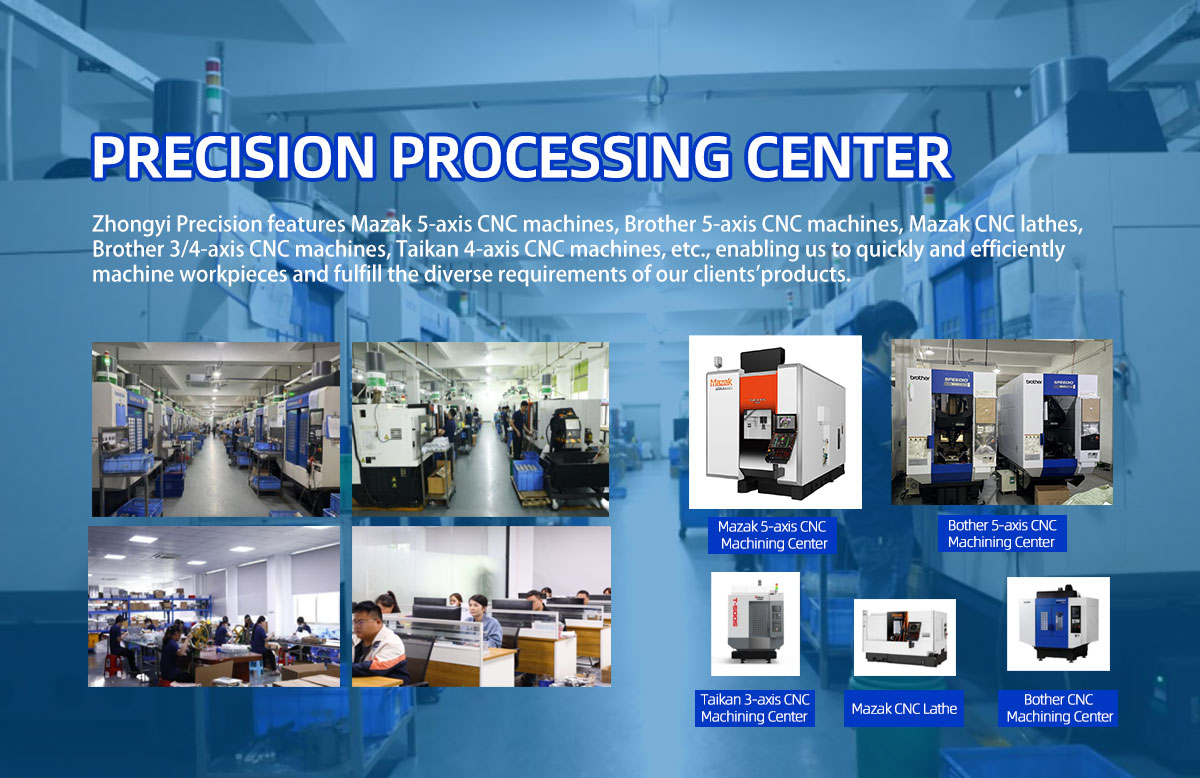
Our CNC milling equipment includes multi-pallet machining centers configured for unattended production runs. Standardized tooling setups and fixture designs enable rapid transition between part numbers while maintaining consistent quality. Dedicated production cells are available for high-volume programs to minimize material handling and reduce lead times. Capacity planning is conducted quarterly to support customer production schedule changes.
We maintain safety stock programs for blanket purchase orders, with scheduled releases aligned to customer assembly line requirements. Kanban delivery systems are available for just-in-time production environments. All components are packaged per customer specifications to prevent damage during transit, with barcode labeling available for inventory receiving systems.
Yes, we support PPAP submissions per AIAG guidelines, including dimensional reports, material certifications, flow charts, PFMEA, and control plans. We can accommodate PPAP levels 1 through 5 based on customer requirements.
Our equipment supports volumes from 50-piece prototype runs through 100,000+ piece annual production volumes. We provide dedicated program management for volumes exceeding 10,000 pieces annually to ensure consistent supply.
Yes, heat number traceability is maintained throughout the production process, with material test reports available for each production lot. We retain production records for a minimum of 3 years per IATF requirements.
We have a formal engineering change process that includes tooling impact assessment, first article validation, and phased implementation to prevent disruption to production schedules. Change points are documented and communicated to all relevant production and inspection personnel.


