
English ![]()

No. 7, Tianyang 6th Road, Dongfang Community, Songgang Street, Bao'an District, Shenzhen, Guangdong, China(518100)


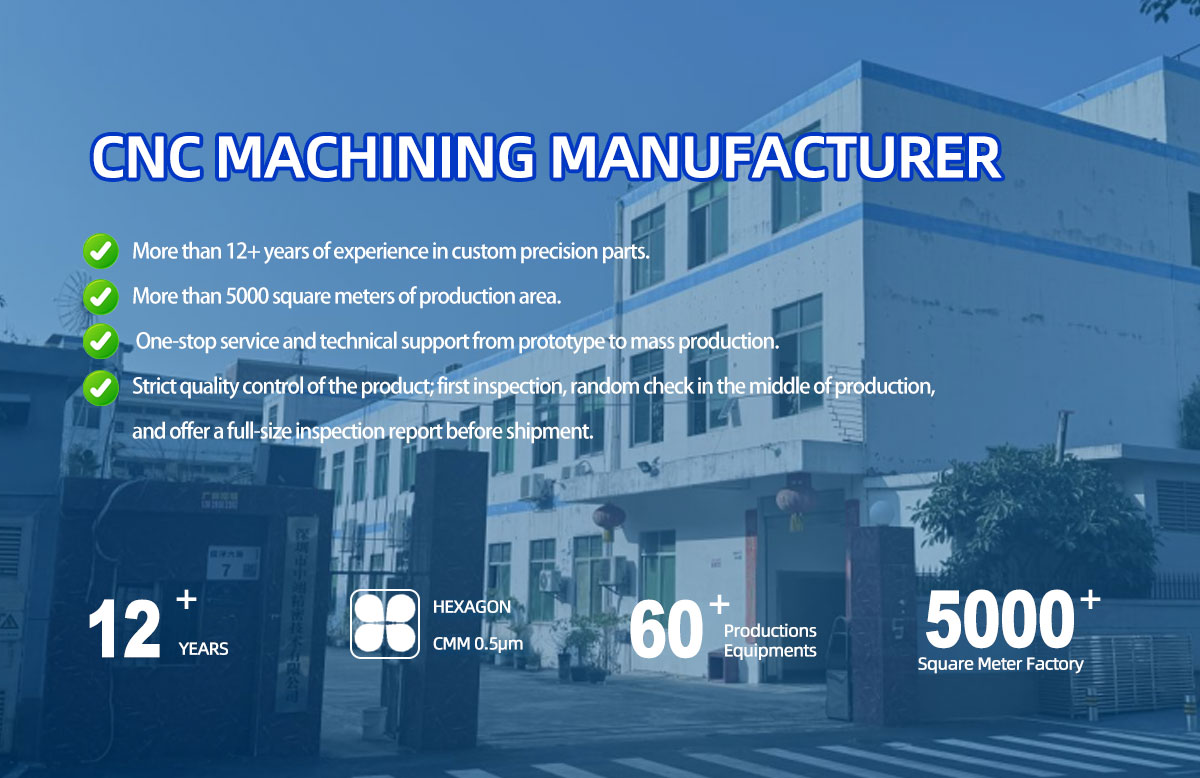
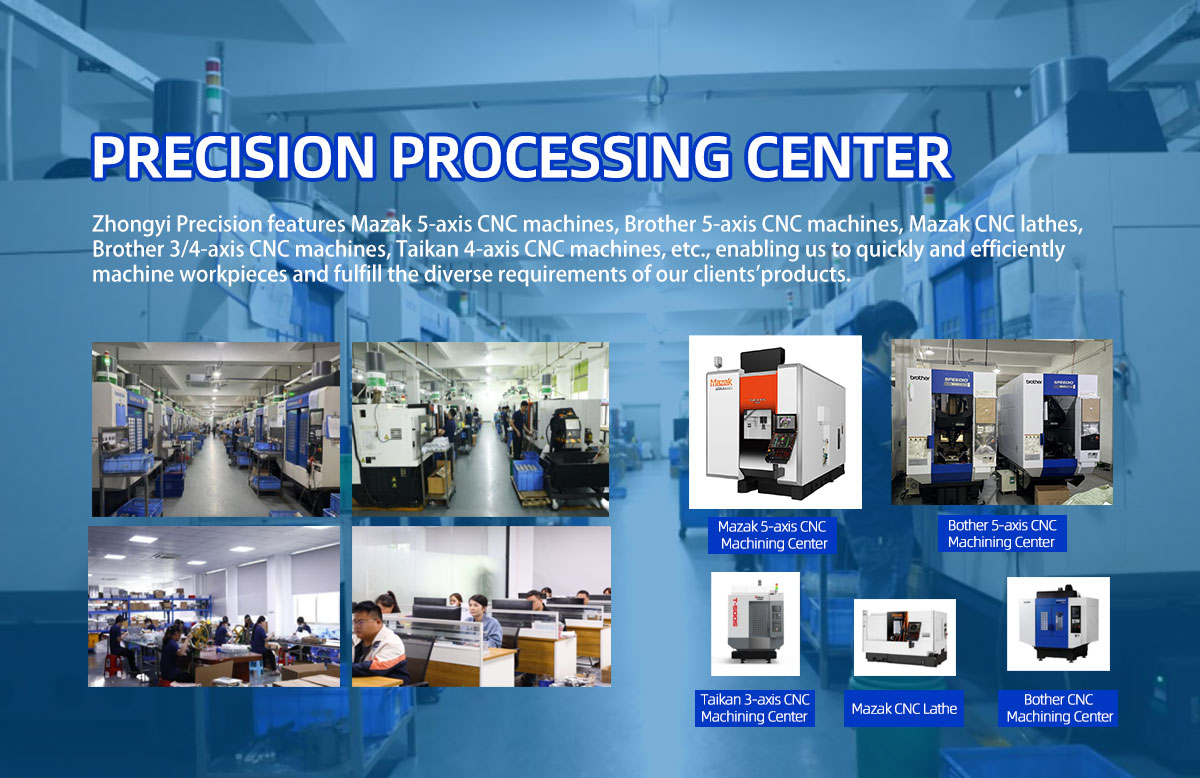
CNC turning serves as a core manufacturing process for the marine industry, where components operate in conditions of corrosive saltwater, extreme pressure, and continuous vibration. This precision machining method produces durable components for vessels, offshore platforms, and underwater equipment. From propulsion systems to subsea sensors, CNC-turned parts support long-term operation in demanding marine working environments. Our facility holds 12+ years of experience in custom precision component production, with a 5000+ square meter workshop and end-to-end support from prototype development to mass production.
Quantity:1
Parameter Item Specification Maximum machining length 5 m Maximum shaft diameter 2 m Batch tolerance consistency ±0.01 mm Bearing surface finish <0.5 μm Ra Production equipment count 60 sets Prototype turnaround 48 hours Inspection equipment Hexagon CMM (0.5 m), run-out instrument, surface roughness tester, micrometer
Material Category Grade Typical Application Stainless Steel Series 316L General marine components Super duplex steel High chloride environments Non-Ferrous Alloys Aluminum bronze Propeller components Nickel-aluminum bronze Pump and valve parts Titanium Alloys Titanium solutions Deep-sea equipment, high strength-to-weight ratio requirements
CNC turning produces shaft bearings, bushings, propeller shaft components, and rudder stock fittings. These parts are machined to maintain stable operation under continuous rotational load and vibration.
This process manufactures high-pressure valve bodies, pump shafts, impellers, and hydraulic cylinder components, with dimensional control to support fluid sealing performance.
Winch drum shafts, anchor chain connectors, and crane rotation mechanisms are produced via CNC turning, with thick-walled structure processing to support heavy load conditions.
The process supports production of ROV components, sonar transducer housings, and deep-sea sensor mounts, with material and geometric design adapted to subsea pressure environments.
CNC turning fabricates fuel injection parts, turbocharger shafts, and cooling system fittings, with precision fit to support engine system stability.
 |  |  |
Our process works with marine-grade alloys including 316 stainless steel, duplex steels, and cupronickel. Machining parameters are adjusted to preserve material corrosion resistance properties during production.
Machined sealing surfaces for valves and pumps follow tight dimensional tolerances. Pressure-resistant thread forms are produced to match working pressure requirements of marine fluid systems.
Precision bearing surfaces reach finish below 0.5μm Ra. Clearances for moving parts are calibrated based on design specifications to reduce wear during operation.
Components can include specialized anti-fouling grooves and cavitation-resistant profiles, machined to specified design dimensions for prolonged service in saltwater conditions.
We machine large-diameter shafts up to 2 meters. Thick-walled components are processed with stable cutting parameters to maintain structural integrity.
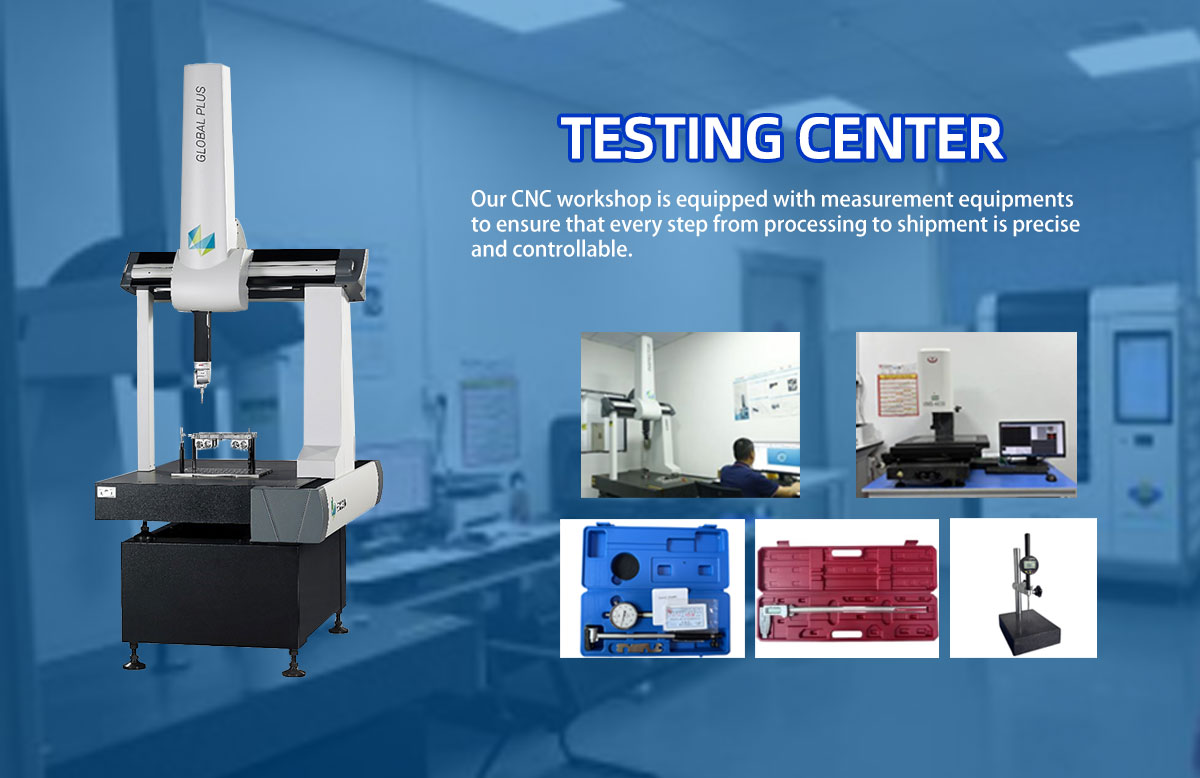
We implement a three-stage quality control workflow: first article inspection, random sampling during production, and full-size inspection report before shipment. The workshop is equipped with Hexagon CMM and other measuring equipment to monitor dimensional accuracy across all production stages. Integrated passivation and coating services are available as supplementary surface treatment options.
We produced 1.2m diameter thruster shafts with runout below 5μm. Optimized structural design achieved 20% weight reduction compared with conventional designs, while maintaining load capacity.
We completed a batch of over 500 identical valve bodies. All units passed pressure testing with no leakage incidents, meeting the design specifications for ballast system operation.
We support both single prototype orders and mass production batches. Low-volume trial production is available for design verification before full-scale production.
Yes, all marine-grade materials come with corresponding material certificates upon request, to support your project compliance and quality traceability requirements.
Our technical team provides manufacturability feedback based on your design drawings, to optimize component structure for marine working conditions while maintaining functional requirements.
For custom marine CNC turning projects, you may submit your design drawings for a detailed quotation and manufacturability assessment. Our team provides technical support throughout the production cycle, from prototype testing to batch delivery.


