English ![]()

No. 7, Tianyang 6th Road, Dongfang Community, Songgang Street, Bao'an District, Shenzhen, Guangdong, China(518100)


| Quantity: | |
|---|---|
Zhongyi Precision provides custom 5-axis CNC machining for EV reducer housings, gearbox housings, and electric drivetrain components manufactured according to customer 2D drawings and 3D CAD models.
Electric vehicle reducer housings often combine precision bearing bores, shaft interfaces, sealing surfaces, mounting faces, threaded holes, internal cavities, and multi-face features within a lightweight structure. Our 5-axis CNC machining capabilities are designed to manufacture these complex features with fewer setups while maintaining the dimensional relationships required for drivetrain assembly.
From prototype validation to repeat production, we support automotive and electric drivetrain projects requiring precision-machined aluminum reducer housings and related transmission components.
The reducer housing is an important structural component of an electric vehicle drivetrain. It supports and positions bearings, shafts, gears, seals, and mounting interfaces while protecting internal transmission components.
Because many critical features are located on different faces of the housing, conventional machining may require multiple setups and repeated repositioning.
5-axis CNC machining allows complex surfaces and multi-directional features to be accessed with fewer setups. This makes it suitable for EV reducer housings containing precision bores, mounting interfaces, side holes, pockets, angled features, sealing surfaces, and complex internal geometry.
Our engineering team reviews each customer drawing to determine an appropriate machining, fixture, inspection, and process-control strategy.
Capability | Specification |
|---|---|
Product Type | Custom EV reducer housing / gearbox housing |
Machining Process | Precision 5-axis CNC milling |
Production Support | Prototype to mass production |
Common Materials | Aluminum alloys, stainless steel and other machinable materials according to drawing requirements |
Standard Tolerance | Typically ±0.01 mm to ±0.05 mm depending on feature and geometry |
Critical Features | Tighter tolerances can be evaluated according to drawing requirements |
Precision Capability | Down to ±0.001 mm under suitable machining and inspection conditions |
Inspection | First article, in-process and final dimensional inspection |
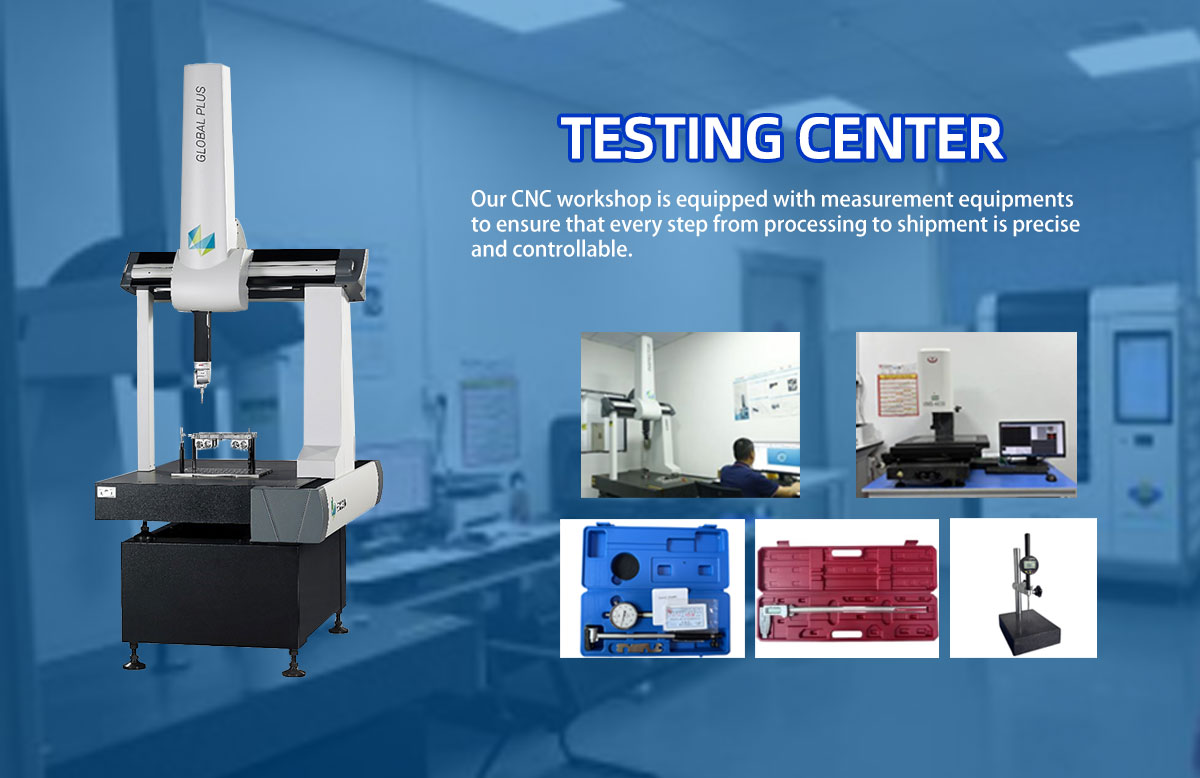
Measurement Equipment | HEXAGON CMM |
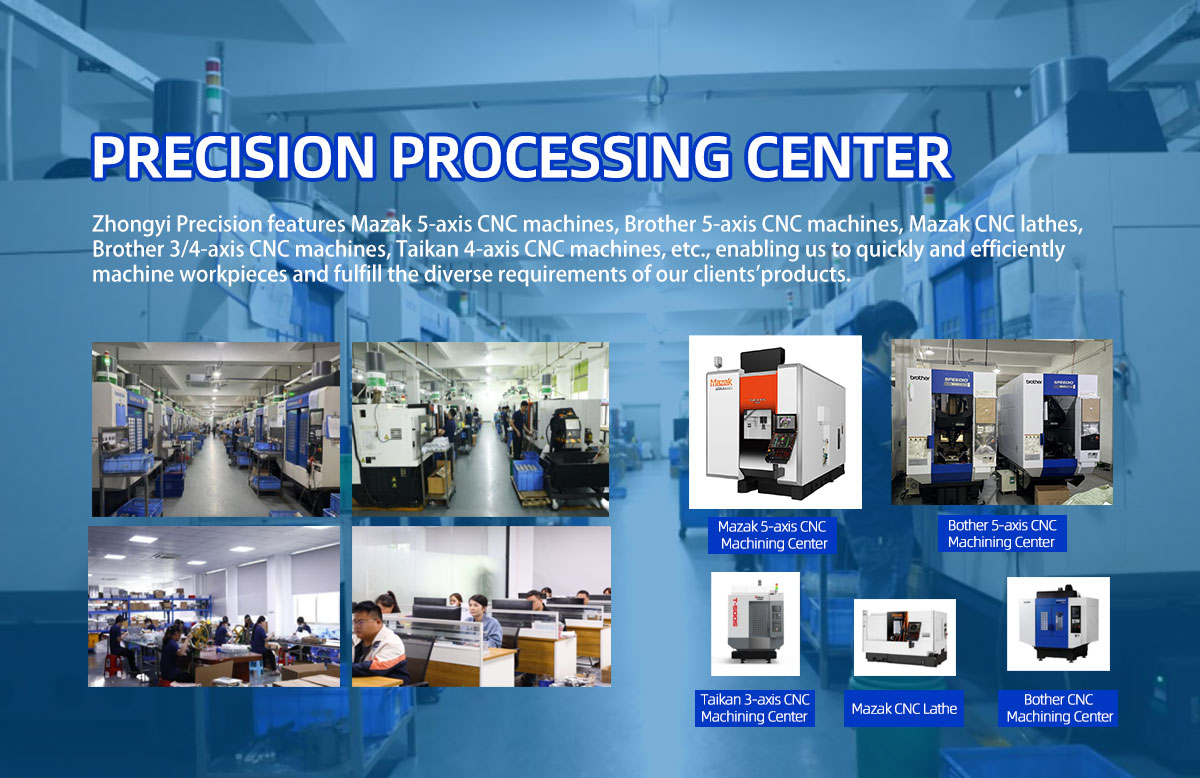
CNC Equipment | Mazak, Brother, Taikan and other precision machining equipment |
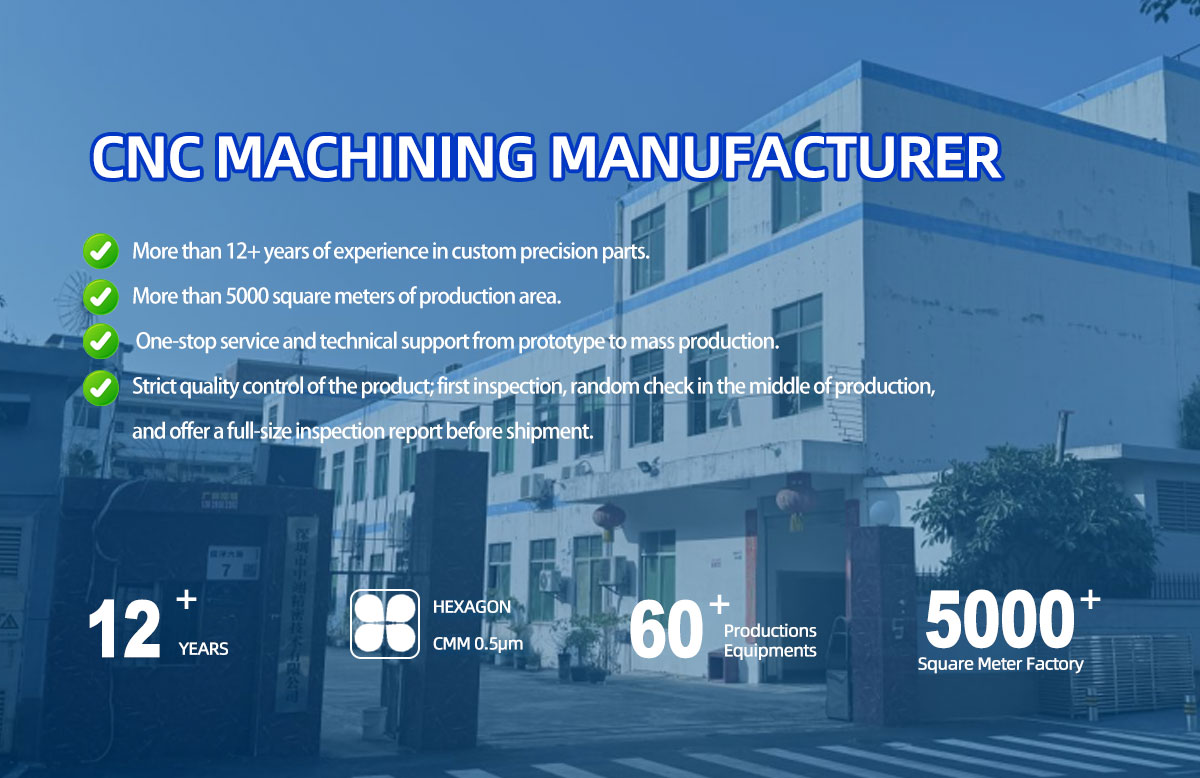
Industry Experience | 12+ years |
Production Equipment | 60+ units |
Production Area | 5,000+ m² |
Final achievable tolerances depend on part size, material, casting or billet condition, wall thickness, geometry, datum structure, surface finish, and inspection requirements. Send us your drawing for engineering review.
Bearing bores are among the most important functional features of a reducer or gearbox housing.
Their diameter, position, alignment, and geometric relationship can affect shaft positioning and drivetrain assembly. Our machining and inspection processes can be planned around critical bore-to-bore and bore-to-datum requirements specified on the customer drawing.
Reducer housings may contain multiple shaft, bearing, and gear-related interfaces.
Accurate machining of these features helps maintain the required center distances and positional relationships between transmission components.
Housing covers and adjoining drivetrain components often rely on precision-machined mating surfaces.
Flatness and surface condition must be controlled according to the sealing system, gasket design, and assembly requirements specified by the customer.
Mounting holes, threaded holes, locating features, bosses, ports, and connector interfaces may be distributed around several sides of the housing.
5-axis machining provides access to these features while reducing unnecessary workpiece repositioning.
EV drivetrain components frequently use lightweight aluminum structures to reduce overall vehicle mass.
Complex pockets, ribs, cavities, and thin-wall features can be machined according to the customer's design while the manufacturing process is planned to manage deformation and dimensional stability.
5-axis machining allows multiple faces of a reducer housing to be machined with fewer fixture changes.
Reducing repositioning can help minimize setup-related variation between critical features.
Bearing bores, mounting surfaces, locating features, and shaft interfaces often require accurate relationships to common datums.
Multi-axis machining makes it possible to manufacture more related features within a controlled setup strategy.
Deep pockets, angled holes, side features, curved surfaces, internal cavities, and other complex geometry can be difficult to access efficiently with conventional 3-axis machining.
5-axis tool positioning provides greater accessibility for these features.
Optimized tool orientation can reduce excessive tool overhang when machining difficult-to-reach surfaces, supporting more stable cutting conditions and consistent surface quality.
CNC machining is suitable for prototype reducer housings used for fit, assembly, drivetrain, and design validation as well as pilot and repeat production.
Aluminum alloys are commonly considered for EV drivetrain housings because they offer a useful combination of low weight, machinability, thermal characteristics, corrosion resistance, and structural performance.
Reducer housing designs may be machined from billet material or machined after a casting process depending on production quantity, geometry, cost targets, and mechanical requirements.
For prototype and low-volume projects, CNC machining from billet can provide design flexibility and eliminate the need for production tooling.
For production projects using cast housings, precision CNC machining can be applied to functional areas such as bearing bores, sealing faces, locating datums, mounting holes, threaded features, and other critical interfaces.
Material and process selection should always be confirmed according to the final application and drawing requirements.
EV reducer housings can contain multiple interconnected dimensional and geometric requirements.
Our quality control process includes first article inspection, in-process dimensional checks, and final inspection before shipment.
HEXAGON coordinate measuring equipment is available for critical dimensional verification.
Depending on drawing requirements, inspection can include:
Bearing bore diameter and position
Bore-to-bore center distance
Hole position
Flatness
Parallelism
Perpendicularity
Concentricity
Datum relationships
Mounting interface dimensions
Sealing surface dimensions
Other customer-specified GD&T characteristics
Full dimensional inspection reports can be provided according to project requirements.
During electric drivetrain development, prototype housings allow engineers to evaluate assembly, bearing fit, shaft alignment, packaging, mounting interfaces, sealing design, and other functional requirements before production tooling is finalized.
Our prototype machining service supports customer-supplied CAD models and engineering drawings.
Prototype lead times typically range from approximately 7–15 business days depending on material availability, geometry, tolerance, finishing, inspection, and quantity.
Design changes can then be incorporated into later prototype or production versions.
For repeat production, our engineering team evaluates machining sequence, fixture design, tooling, cycle time, datum strategy, inspection frequency, and dimensional consistency.
With more than 60 pieces of production equipment and a 5,000+ m² manufacturing facility, Zhongyi Precision supports projects from prototype development through production quantities.
Production lead times typically range from approximately 15–30 business days depending on order quantity, material, geometry, surface treatment, and inspection requirements.
Final schedules are confirmed after drawing review.
In addition to EV reducer housings, our CNC machining capabilities can support custom components for:
EV gearbox housings
Electric motor housings
E-drive system housings
Transmission covers
Bearing carriers
Motor mounting components
Powertrain structural components
Cooling and fluid-control components
Custom aluminum automotive housings
All components are manufactured according to customer drawings rather than supplied as standardized off-the-shelf automotive parts.
Looking for a CNC machining supplier for an electric vehicle reducer or gearbox housing?
Send us your 2D engineering drawing or 3D CAD model together with:
Material specification
Required quantity
Critical tolerances and GD&T
Surface finish
Surface treatment
Inspection requirements
Delivery requirements
Our engineering team will review your project and provide a manufacturing proposal and quotation.
Common drawing formats include STEP, STP, DWG, DXF, PDF, and other commonly used engineering formats.
Upload Your EV Reducer Housing Drawing for a Quote
An EV reducer housing is the structural enclosure that supports and positions transmission components such as bearings, shafts, gears, seals, and mounting interfaces within an electric drivetrain reduction system.
Reducer housings often contain precision features on several different faces. 5-axis machining provides access to bores, side holes, pockets, mounting surfaces, and complex geometry while reducing unnecessary workpiece repositioning.
We machine aluminum alloys, stainless steel, and other machinable materials according to customer drawings. Aluminum is commonly selected for lightweight drivetrain housing applications, but the final material should be determined by structural, thermal, manufacturing, and application requirements.
Typical machining tolerances range from approximately ±0.01 mm to ±0.05 mm depending on geometry, material, and feature requirements. Critical dimensions can be evaluated for tighter tolerances, with capabilities down to ±0.001 mm under suitable machining and inspection conditions.
Yes. Bearing bores, shaft interfaces, locating features, and their positional relationships can be machined and inspected according to customer drawings and GD&T requirements.
Yes. Precision CNC machining can be applied to cast housing blanks to finish functional features such as bearing bores, mounting surfaces, sealing faces, threaded holes, and datum features. Feasibility depends on the casting condition and drawing requirements.
Yes. We support prototype machining, engineering validation, pilot runs, and repeat production.
Yes. CMM dimensional inspection and full measurement reports can be provided according to customer requirements.
Please provide your 2D drawing or 3D CAD model together with material, quantity, tolerance, surface finish, inspection, and delivery requirements.