English ![]()

No. 7, Tianyang 6th Road, Dongfang Community, Songgang Street, Bao'an District, Shenzhen, Guangdong, China(518100)



| Quantity: | |
|---|---|
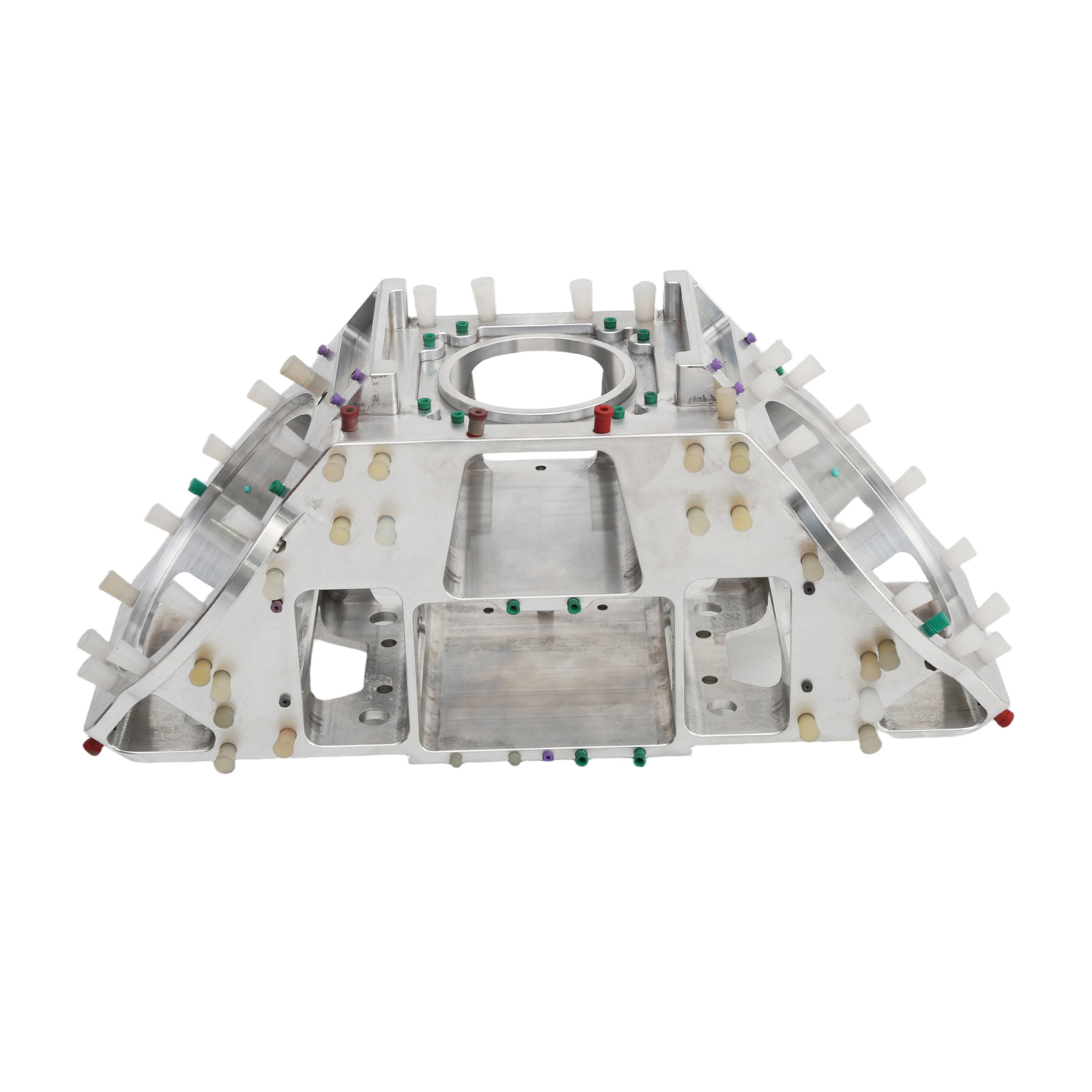
Need a lightweight, precise, and production-ready joint housing for your humanoid robot project? Zhongyi Precision provides custom 5-axis CNC machining for humanoid robot joint housings based on your 2D drawings and 3D CAD models.
Our multi-axis machining capabilities are suitable for complex joint housings with bearing bores, motor and reducer mounting interfaces, bolt patterns, internal pockets, side holes, thin-wall structures, and other multi-face features. From functional prototypes to repeat production, we help robotics OEMs and engineering teams turn complex joint housing designs into accurately machined components.
A humanoid robot joint housing is more than a protective enclosure. It can serve as the structural interface between the motor, reducer, bearing system, sensors, and adjoining robot links.
Because these functional features often need to maintain accurate positional relationships across several faces, multiple setups on conventional machining equipment can increase alignment and tolerance-stack risks.
5-axis CNC machining allows the cutting tool to reach multiple surfaces of the joint housing with fewer repositioning operations. This makes the process well suited for complex robotic components requiring accurate bores, mounting surfaces, hole patterns, pockets, and angled features.
For your custom joint housing, our engineering team reviews the drawing, tolerance requirements, material, critical datums, surface finish, and inspection requirements before production.
Capability | Specification |
|---|---|
Manufacturing Process | Precision 5-axis CNC milling |
Product Type | Custom humanoid robot joint housing |
Production | Prototype to mass production |
Common Materials | Aluminum alloys, stainless steel, titanium alloys and other machinable materials according to drawing requirements |
General Tolerance | Typically ±0.01 mm to ±0.05 mm, depending on geometry and material |
Critical Features | Tighter tolerances can be evaluated according to drawing requirements, with capabilities down to ±0.001 mm under suitable process conditions |
Inspection | First article inspection, in-process inspection and final dimensional inspection |
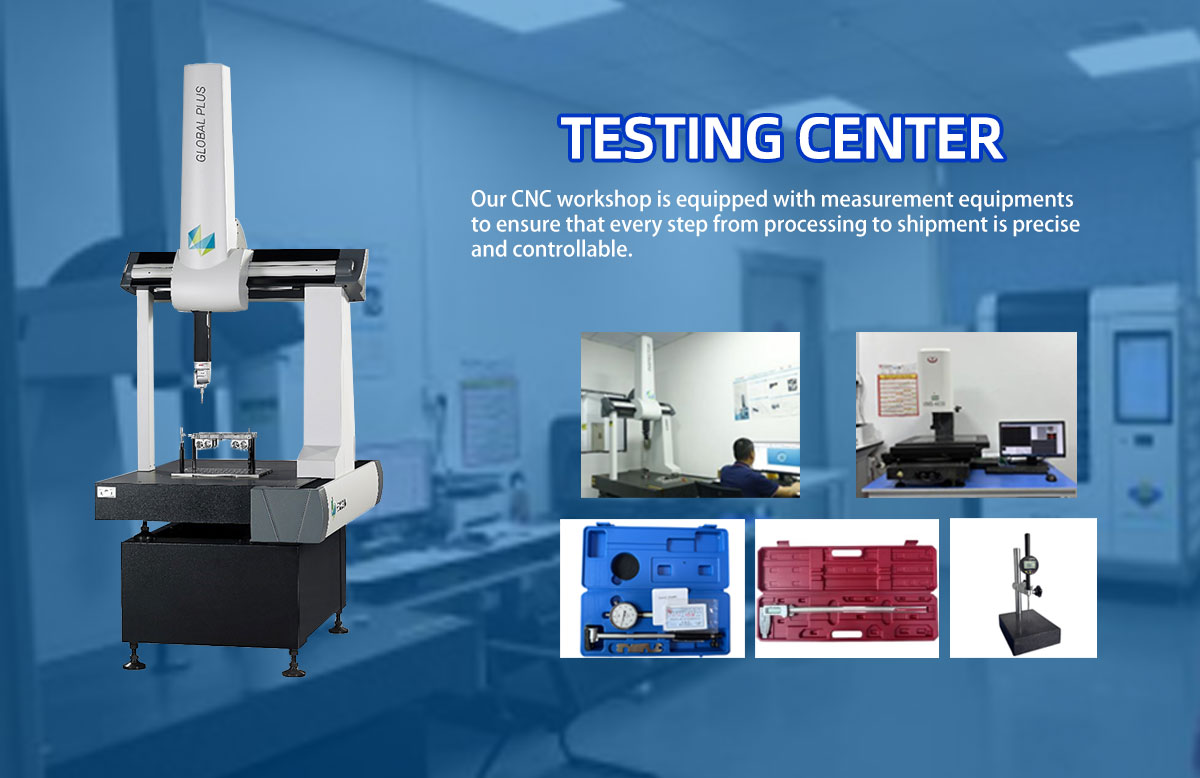
Measurement Equipment | HEXAGON CMM |
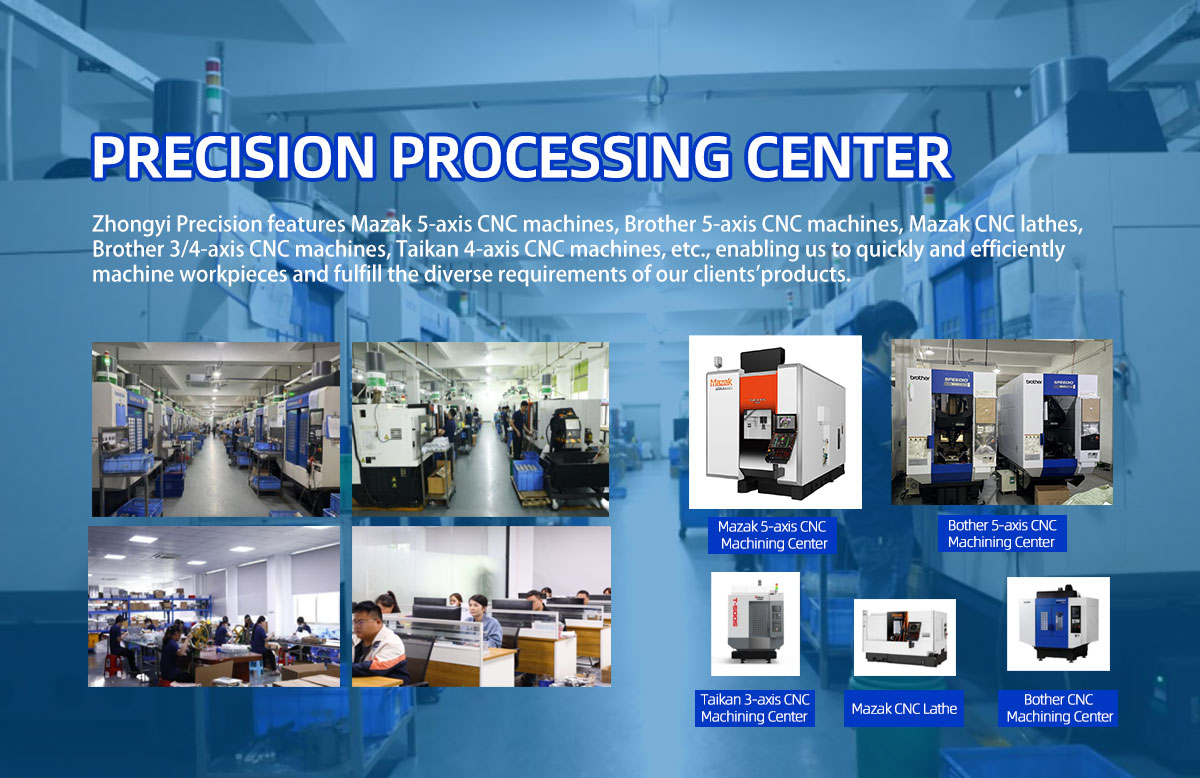
CNC Equipment | Mazak, Brother, Taikan and other precision machining equipment |
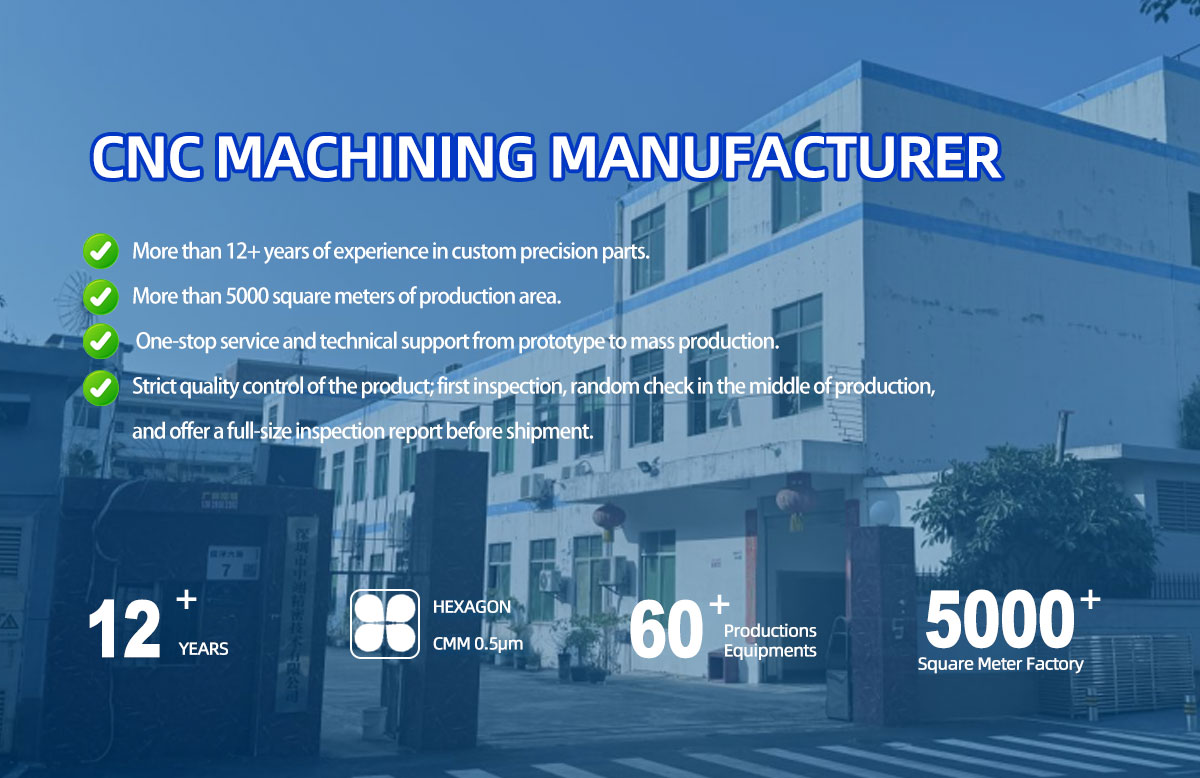
Manufacturing Experience | 12+ years |
Production Equipment | 60+ units |
Production Area | 5,000+ m² |
Final achievable tolerance depends on part size, geometry, wall thickness, material, datum structure, surface treatment, and measurement requirements. Send us your drawing for a manufacturability and tolerance review.
Humanoid robot joint housings often combine several precision features in a compact structure. Depending on your design, our 5-axis machining process can be used for bearing seats and precision bores, motor mounting interfaces, harmonic reducer mounting features, concentric circular features, multi-face mounting holes, threaded holes, lightweight pockets, structural ribs, angled surfaces, cable-routing features, sensor mounting areas, and precision datum surfaces.
By machining related features within a controlled multi-axis process, we can reduce unnecessary repositioning and help maintain the geometric relationships required for robotic joint assembly.
Aluminum alloys are widely considered for robotic structural components because they combine relatively low weight with good machinability and useful mechanical properties.
For humanoid robot joint housings, material selection should be based on the required load, stiffness, weight, fatigue performance, surface treatment, and dimensional stability.
We can manufacture custom joint housings from customer-specified aluminum grades and can also evaluate stainless steel, titanium, engineering plastics, and other machinable materials when required by the application.
If you are still evaluating material options, send us the operating requirements together with your CAD model and our engineering team can review the manufacturability of your design.
Complex robot joint housings often contain machined features on several orientations. 5-axis machining reduces the need for repeated manual repositioning, helping minimize setup-related variation.
Bearing bores, mounting faces, locating features, and reducer or motor interfaces can require controlled positional relationships. A well-planned 5-axis process helps maintain these relationships throughout machining.
Angled holes, deep pockets, curved surfaces, side features, and compact internal structures can be difficult to reach with conventional 3-axis machining. Multi-axis tool positioning provides greater machining accessibility.
Optimized tool orientation can shorten tool overhang and improve cutting conditions on complex surfaces, helping achieve more consistent machined finishes.
The same manufacturing strategy can support engineering prototypes, design validation, pilot production, and larger repeat orders, reducing the need to redesign the machining process as the project develops.
Quality inspection is especially important for humanoid robot joint components because dimensional variation at the housing can affect the alignment of bearings, motors, reducers, sensors, and adjoining structural components.
Our quality process includes first article inspection, in-process dimensional checks, and pre-shipment inspection. CMM measurement is available for critical dimensions and geometric features.
Inspection requirements can be defined according to your drawing, including critical dimensions, bore diameters, hole positions, flatness, perpendicularity, parallelism, concentricity, and other GD&T requirements where applicable.
Full dimensional inspection reports can be provided according to project requirements.
Zhongyi Precision supports humanoid robot developers, robotics OEMs, automation companies, research teams, and equipment manufacturers from early prototype development through repeat production.
During quotation and engineering review, we evaluate machining accessibility, datum selection, tolerance requirements, tooling, fixture strategy, inspection methods, material selection, and surface treatment requirements.
For prototype projects, typical lead times depend on material availability, geometry, tolerance, finishing, and quantity. Current product programs generally require approximately 7–15 business days for prototypes and 15–30 business days for production orders, subject to final engineering review.
Our 5-axis CNC machining capabilities can support custom components used in humanoid robot shoulder joints, elbow joints, wrist assemblies, hip joints, knee joints, ankle assemblies, actuator modules, motor housings, harmonic reducer housings, sensor mounts, and lightweight structural connections.
Every part is manufactured according to the customer's drawing or CAD model rather than as an off-the-shelf standardized component.
Looking for a machining supplier for your humanoid robot joint housing?
Send us your 2D drawing, 3D model, material requirements, quantity, tolerance requirements, surface finish, and inspection requirements. Our engineering team will review your project and provide a machining proposal and quotation.
Supported drawing formats can include STEP, STP, DWG, DXF, PDF, and other commonly used engineering file formats.
Get a Quote for Your Humanoid Robot Joint Housing
We machine aluminum alloys, stainless steel, titanium alloys, engineering plastics, and other machinable materials according to customer drawings and application requirements. Material selection should consider weight, stiffness, strength, dimensional stability, surface treatment, and operating conditions.
Typical machining tolerances are approximately ±0.01 mm to ±0.05 mm depending on the feature, geometry, material, and part size. Critical dimensions can be evaluated for tighter tolerances, with machining capabilities down to ±0.001 mm under suitable conditions. Final tolerance should always be confirmed after reviewing the drawing.
Yes. Depending on the design, 5-axis CNC machining can be used to manufacture precision bearing bores, locating surfaces, mounting faces, bolt patterns, motor interfaces, reducer interfaces, and other critical joint-housing features.
Yes. We support projects from prototype and engineering validation through pilot runs and repeat production. This allows customers to verify assembly, fit, motion, and design changes before moving into larger production quantities.
Yes. First article, in-process, and final dimensional inspection can be performed according to project requirements. CMM inspection and full dimensional reports are available for projects requiring documented verification.
For a faster and more accurate quotation, provide your 2D drawing or 3D CAD model together with material, quantity, tolerance, surface finish, inspection, and delivery requirements.