English ![]()

No. 7, Tianyang 6th Road, Dongfang Community, Songgang Street, Bao'an District, Shenzhen, Guangdong, China(518100)


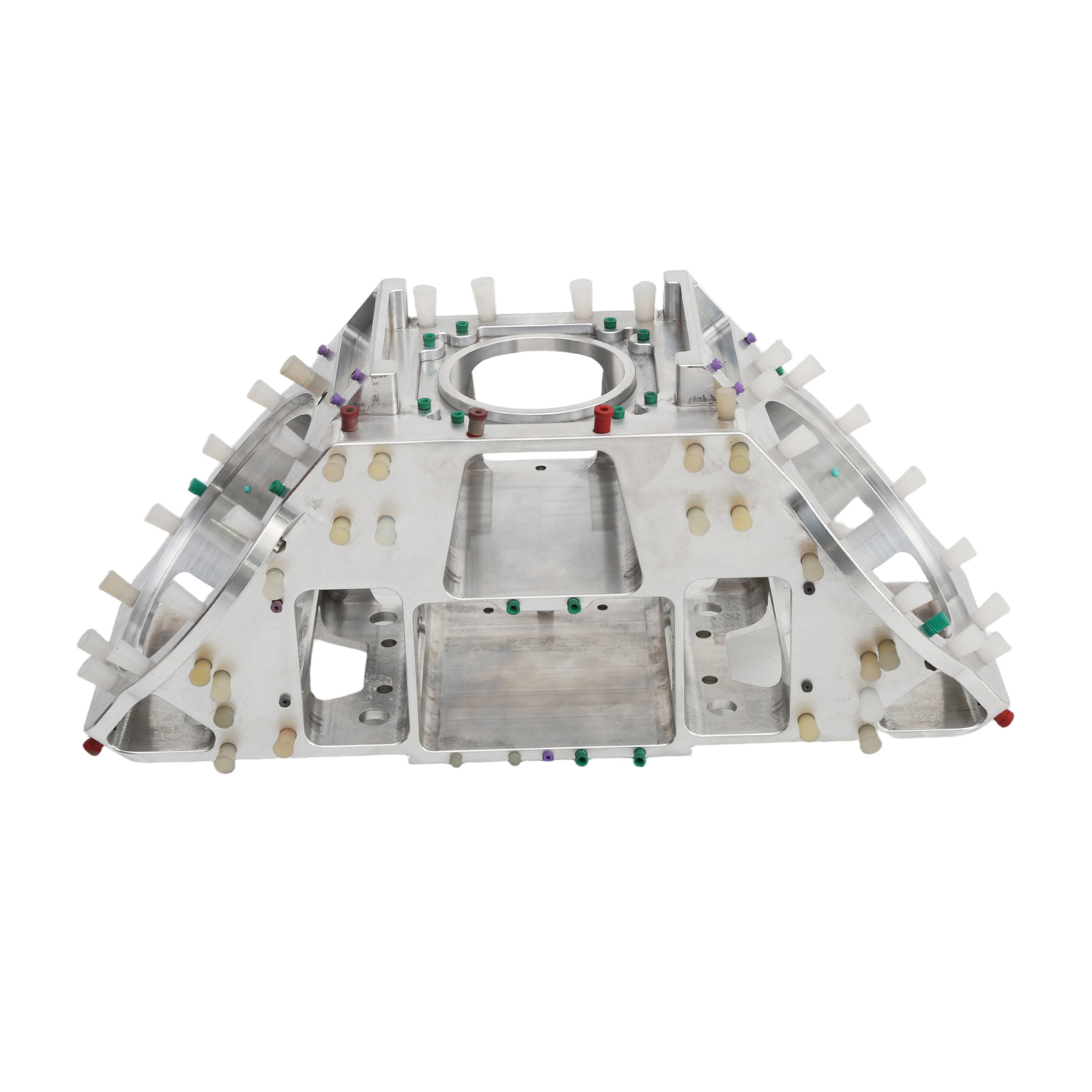


Zhongyi Precision provides custom 5-axis CNC machining for humanoid robot joint end caps, actuator covers, joint housings and other high-precision robotic components.
Using advanced 5-axis CNC machining and precision inspection equipment, we manufacture complex robot parts with tight dimensional control, accurate mounting interfaces and consistent quality. Parts are produced according to customer drawings, CAD models and technical requirements, supporting everything from prototype development to mass production.
Upload your 2D drawings or 3D CAD files to receive a manufacturing review and quotation.
Humanoid robot joints require compact dimensions, low weight, high structural rigidity and accurate assembly interfaces. The joint end cap is an important structural component that may support bearings, motors, reducers, sealing features, cable routing or actuator assemblies.
For parts containing multi-angle holes, curved surfaces, deep cavities, thin walls or closely related mounting features, 5-axis CNC machining can reduce the number of setups and improve positional accuracy between critical features.
Our machining capabilities are suitable for:
Humanoid robot joint end caps
Robot actuator end covers
Robotic joint housings
Motor and reducer housings
Harmonic reducer cases
Bearing mounting components
Robot arm and leg joint parts
Servo actuator components
Sensor mounting components
Lightweight robotic structural parts
Item | Capability |
|---|---|
Manufacturing Process | 5-Axis CNC Machining / CNC Milling |
Product Type | Custom Humanoid Robot Joint End Cap |
Production Method | Made according to customer drawings or CAD models |
Materials | Aluminum alloys, stainless steel, titanium alloys and engineering materials according to application requirements |
Standard Tolerance | Typically ±0.01 mm to ±0.05 mm |
Critical Features | Tolerances down to 0.001 mm where design, material and process conditions permit |
Production Volume | Prototype, low-volume and mass production |
Inspection | First Article Inspection, in-process inspection and final inspection |
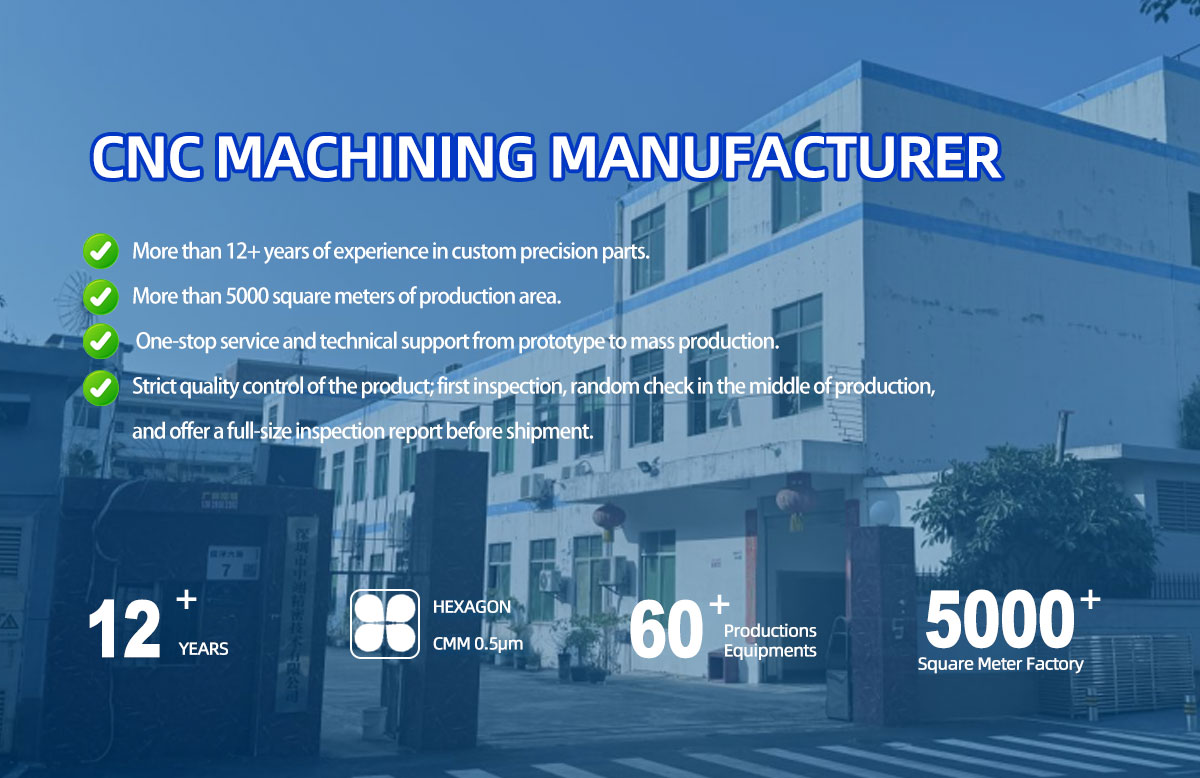
CMM Equipment | HEXAGON CMM |
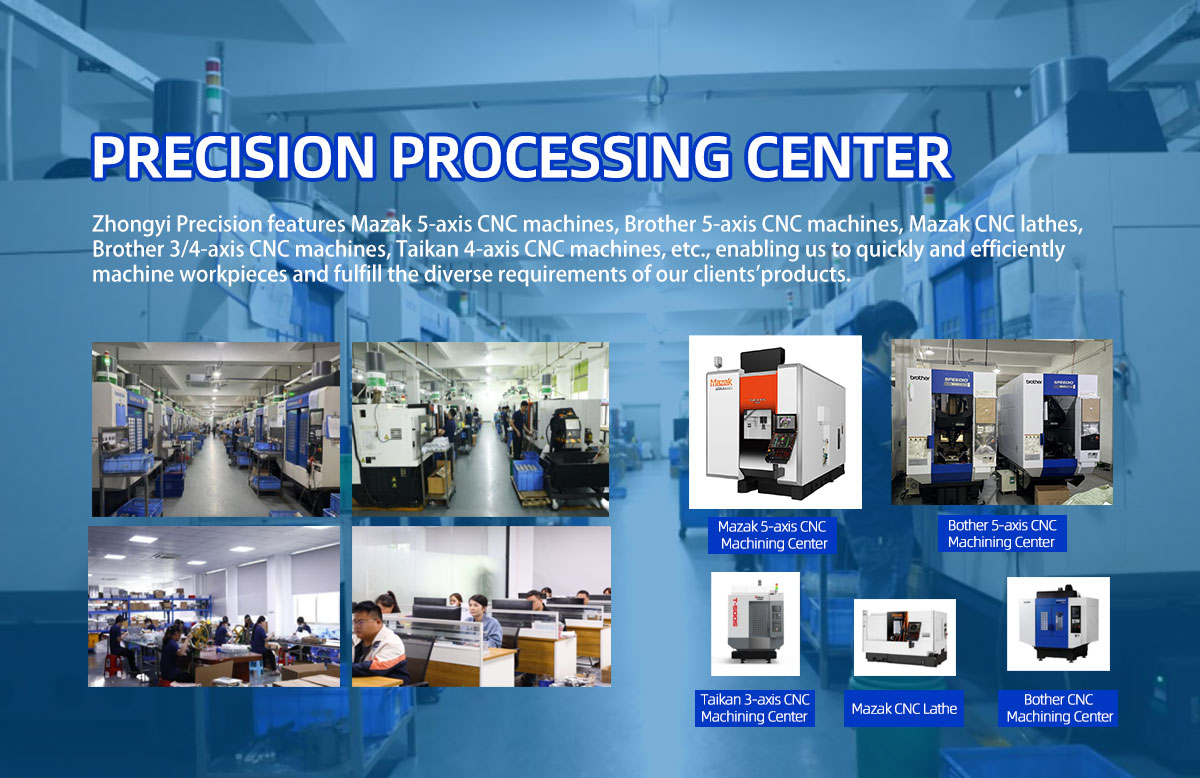
CNC Equipment | Mazak, Brother, Taikan and other precision machining equipment |
Factory Experience | 12+ years |
Production Area | 5,000+ m² |
Equipment | 60+ machines |
Prototype Lead Time | Typically 7–15 business days depending on complexity |
Production Lead Time | Typically 15–30 business days depending on quantity and process |
Robot joint components often contain bearing bores, mounting holes, locating surfaces, motor interfaces and reducer interfaces that must maintain accurate positional relationships.
5-axis CNC machining allows multiple features to be machined with fewer setups, helping reduce datum transfer and repositioning errors.
Humanoid robot parts are becoming more compact and highly integrated.
5-axis machining is particularly suitable for components containing:
Multi-angle holes
Curved surfaces
Deep pockets
Complex cavities
Thin-wall structures
Inclined mounting surfaces
Internal and external contours
Closely positioned precision interfaces
This provides engineers with greater design flexibility when developing compact robotic joints and actuator systems.
Traditional 3-axis machining may require several fixtures and repeated repositioning for complex components.
With 5-axis machining, more surfaces can be completed within one setup, helping shorten production cycles while improving repeatability between parts.
Dimensional consistency is critical when robot joint parts must assemble with bearings, motors, harmonic reducers, shafts or other actuator components.
Controlled CNC machining combined with dimensional inspection helps maintain consistent fit between mating components from prototype builds through repeated production batches.
Material selection depends on robot weight, load requirements, rigidity, wear resistance, thermal performance and cost.
Aluminum is widely used for robot joint housings, actuator covers and structural components because of its favorable strength-to-weight ratio and good machinability.
It is suitable for applications where lightweight construction and complex machining are important.
Stainless steel can be used for robot components requiring increased strength, corrosion resistance or wear resistance.
Titanium alloys are suitable for high-performance robotic components requiring high strength with relatively low weight.
Material grades and manufacturing processes can be selected according to your engineering drawings and functional requirements.
Our 5-axis CNC machining process can produce a wide range of functional features commonly found in humanoid robot joint components, including:
Precision bearing bores
Motor mounting interfaces
Reducer mounting interfaces
Locating holes
Threaded holes
Sealing grooves
Complex pockets
Lightweight cavities
Curved outer profiles
Multi-angle mounting holes
Cable routing features
Thin-wall structures
Precision mating surfaces
Critical dimensions are inspected according to customer drawings and quality requirements.
Accurate machining alone is not enough for robotic joint components. Inspection and process control are equally important.
Zhongyi Precision applies a multi-stage quality control process throughout production.
Initial parts are inspected before batch production to confirm critical dimensions and manufacturing requirements.
Key dimensions are monitored during machining to identify dimensional variation before final production is completed.
Finished components are inspected before shipment according to customer drawings and specified tolerances.
For projects requiring detailed dimensional verification, inspection reports can be supplied according to project requirements.
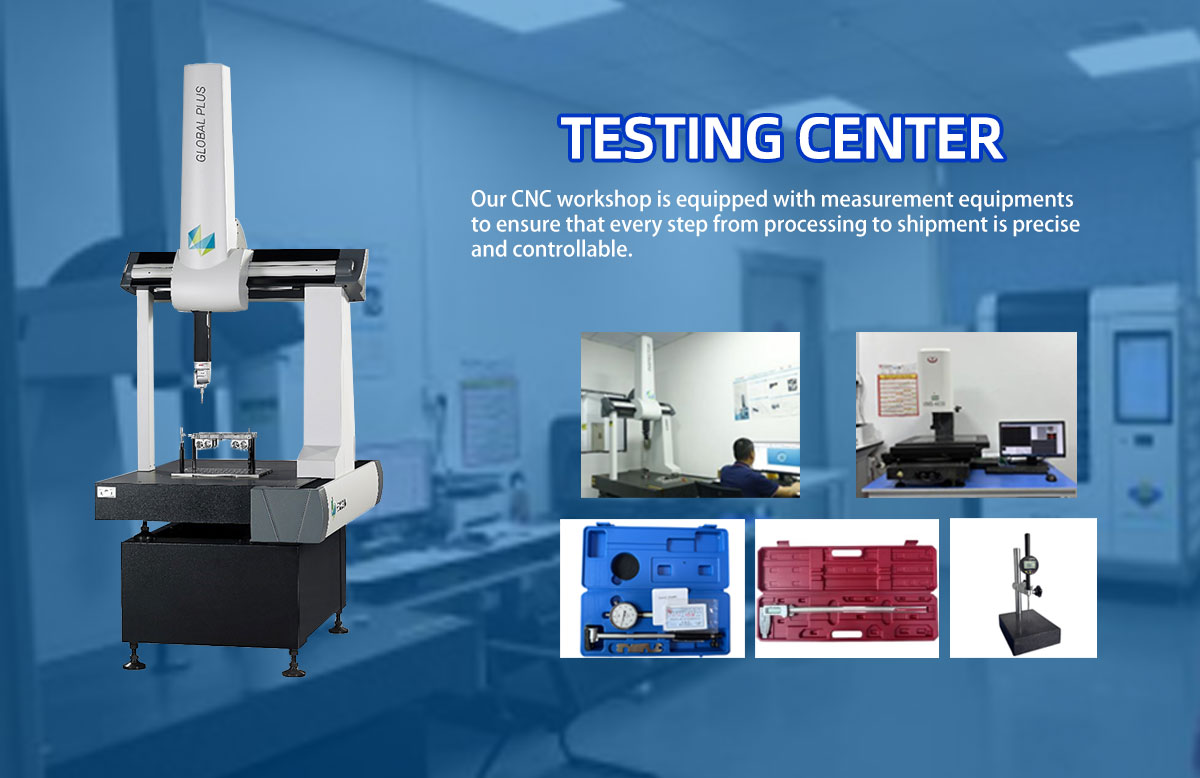
Our inspection capabilities include HEXAGON CMM and other precision measuring equipment for verification of critical dimensions and geometric features.
Humanoid robot development often requires several design iterations before entering commercial production.
We support customers throughout the complete product development cycle.
Produce functional CNC prototypes for design verification, assembly testing and performance evaluation.
Optimize machining strategy, fixture design and inspection methods based on prototype feedback.
Manufacture small production batches for pilot builds, robot testing and market validation.
Establish repeatable machining and inspection processes for stable production of robotic components.
This allows customers to work with the same manufacturing partner from early development through commercial production.
Every humanoid robot joint design is different.
Instead of supplying standard off-the-shelf joint end caps, we manufacture customized components according to your engineering documentation.
You can provide:
STEP files
STP files
IGES files
X_T files
SolidWorks models
2D PDF drawings
DWG/DXF drawings
Material specifications
Surface finish requirements
Tolerance requirements
Expected quantities
Our engineering team can review the design for machining feasibility before production.
Experience in custom CNC machining for robotic, automotive, aerospace, medical, optical and other precision applications.
Our machining equipment includes Mazak, Brother, Taikan and other CNC machines for complex precision components.
We support quantities ranging from individual prototypes to large production batches.
HEXAGON CMM and precision measuring equipment help verify critical dimensions and assembly interfaces.
From material sourcing and CNC machining to inspection and secondary processing, we help simplify the custom manufacturing process.
Our production facility is located in Shenzhen, Guangdong, providing manufacturing support for international robotics companies, OEMs and engineering teams.
Our custom 5-axis CNC machining services can support components used in:
Humanoid robots
Collaborative robots
Industrial robots
Robotic arms
Robot legs
Robot knees
Robot ankles
Robot wrists
Robot actuators
Servo systems
Harmonic drive systems
Precision motion systems
Embodied AI robotic platforms
Yes. We specialize in custom manufacturing and produce robot joint end caps according to customer 2D drawings, 3D CAD models, material specifications, tolerances and surface requirements.
Common options include aluminum alloys, stainless steel and titanium alloys. The appropriate material depends on weight, structural load, rigidity, wear resistance and environmental requirements.
5-axis CNC machining can access multiple surfaces and angles with fewer setups. This is useful for complex robot joint components containing multi-angle holes, curved profiles, deep pockets, precision bores and closely related mounting features.
Typical CNC machining tolerances are approximately ±0.01 mm to ±0.05 mm. For selected critical features, tolerances down to 0.001 mm may be achievable depending on component geometry, material, dimensions and process requirements.
Yes. We support prototype machining starting from individual parts as well as low-volume production and mass production.
Prototype projects typically require approximately 7–15 business days, while larger production orders generally require 15–30 business days. Actual lead time depends on part complexity, material, surface treatment and quantity.
Yes. Critical dimensions can be inspected using CMM and other precision measurement equipment according to drawing requirements.
Yes. Send us your STEP/STP file together with material, quantity, tolerance and surface finish requirements. Our engineering team can review the design and prepare a quotation.
Looking for a manufacturer for custom humanoid robot joint end caps, actuator components or other precision robotic parts?
Send us your drawings or 3D CAD files for engineering review.
Get a Custom CNC Machining Quote
Provide your:
CAD drawing
Material
Quantity
Required tolerance
Surface finish
Delivery requirements
Our team will review your project and recommend a suitable manufacturing solution.