English ![]()

No. 7, Tianyang 6th Road, Dongfang Community, Songgang Street, Bao'an District, Shenzhen, Guangdong, China(518100)


| Quantity: | |
|---|---|
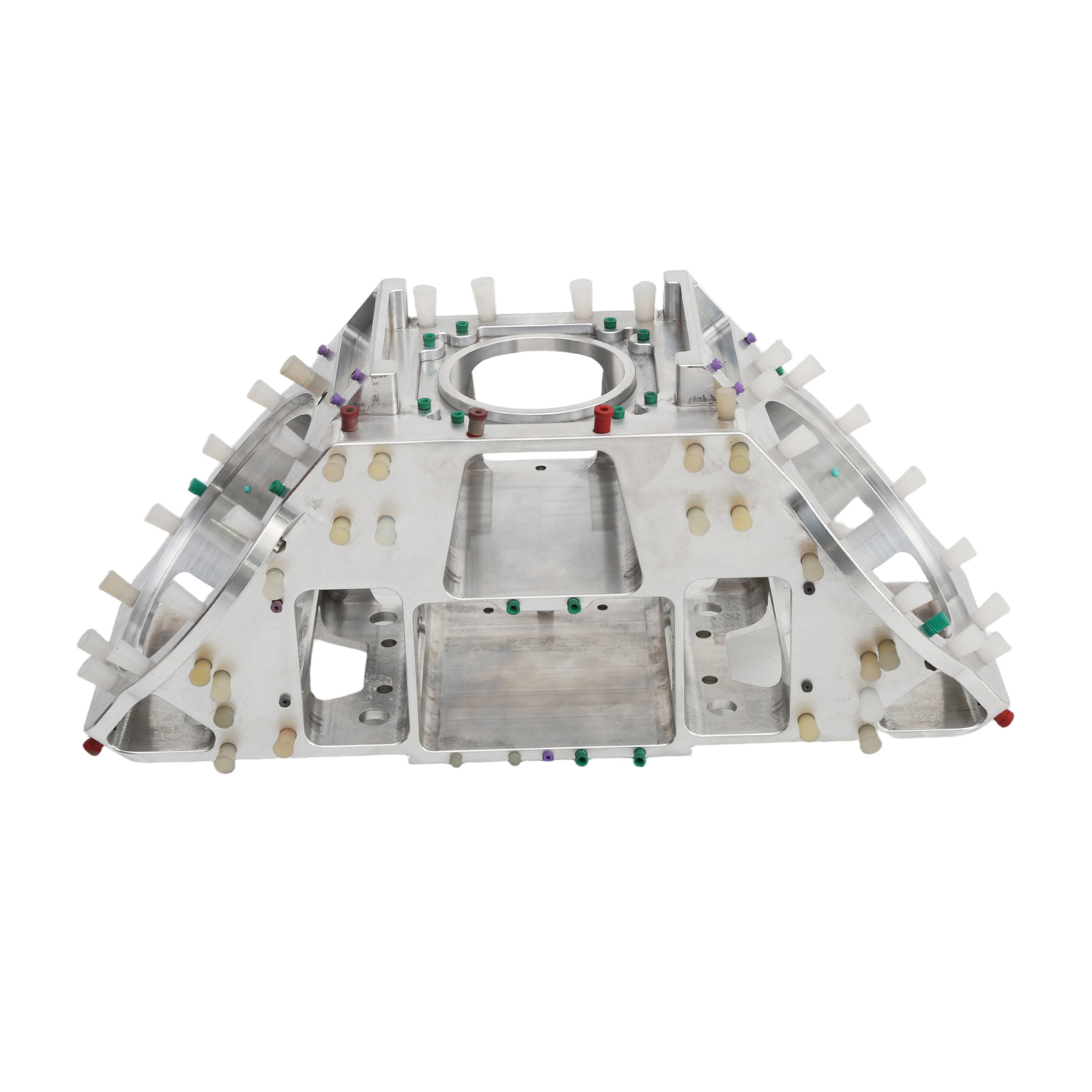
Zhongyi Precision provides custom 5-axis CNC machining for aluminum joints and structural joint components used in humanoid robots and advanced robotic systems.
Manufactured according to customer 2D drawings and 3D CAD models, our custom robot joint components can integrate precision bores, mounting interfaces, multi-face holes, lightweight pockets, curved surfaces, threaded features, and other complex geometry within a compact structure.
With 5-axis CNC machining, multiple critical features can be machined with fewer setups, helping maintain their positional relationship while reducing setup-related variation.
From functional prototypes to repeat production, we support robotics OEMs, engineering teams, research organizations, and automation companies developing lightweight and high-precision robotic systems.
Humanoid robot joints connect structural links while providing interfaces for motors, bearings, reducers, sensors, shafts, and other motion-control components.
Because these components often combine features on several different faces, conventional machining can require multiple setups and repositioning operations.
5-axis CNC machining allows the cutting tool to approach the workpiece from multiple orientations, making it especially suitable for complex robot joint components with:
Precision bearing bores and shaft interfaces, motor and reducer mounting features, multi-face bolt patterns, threaded holes, angled surfaces, deep pockets, lightweight cavities, structural ribs, curved profiles, and precision datum surfaces.
Reducing unnecessary repositioning can help maintain alignment between critical features and improve manufacturing consistency.
Capability | Specification |
|---|---|
Product | Custom aluminum joint for humanoid robots |
Manufacturing Process | Precision 5-axis CNC milling |
Production Type | Prototype to mass production |
Common Materials | Aluminum alloys, stainless steel, titanium alloys and engineering plastics |
Typical Tolerance | ±0.01 mm to ±0.05 mm depending on feature and geometry |
Critical Features | Tighter tolerances can be evaluated according to drawing requirements |
Precision Capability | Down to ±0.001 mm under suitable process and inspection conditions |
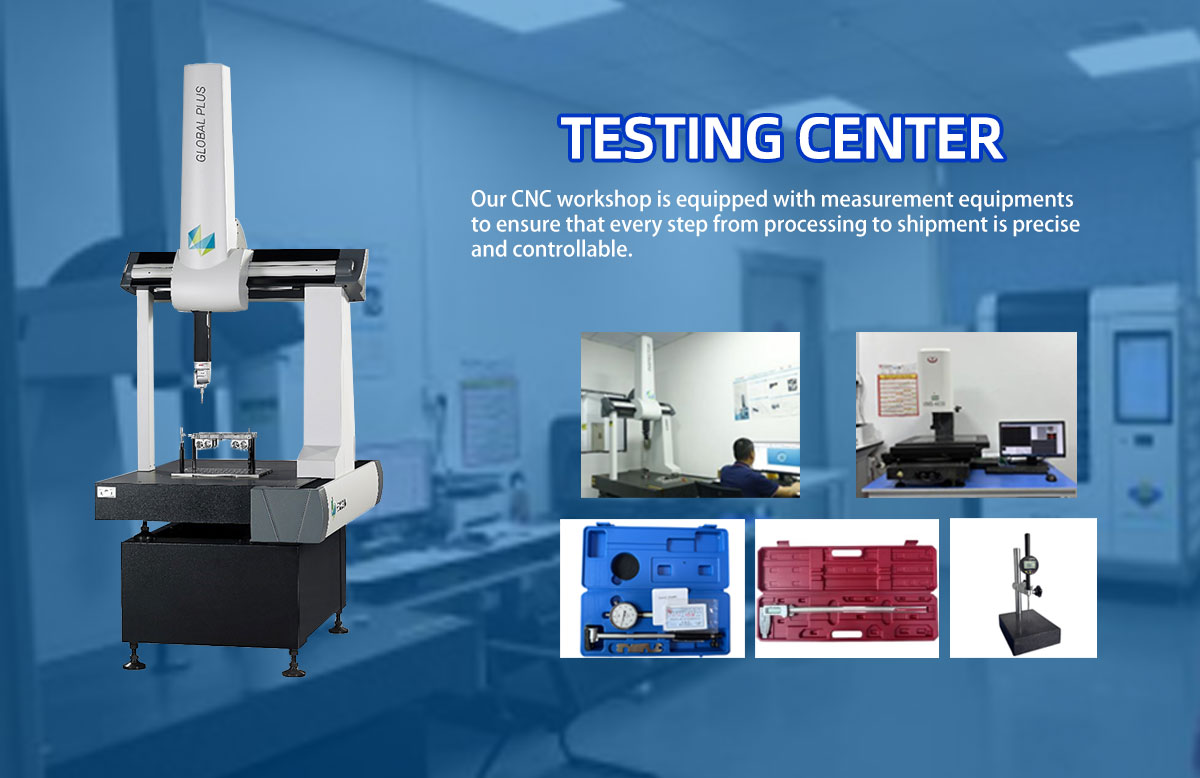
Inspection | First article, in-process and final inspection |
Measurement Equipment | HEXAGON CMM |
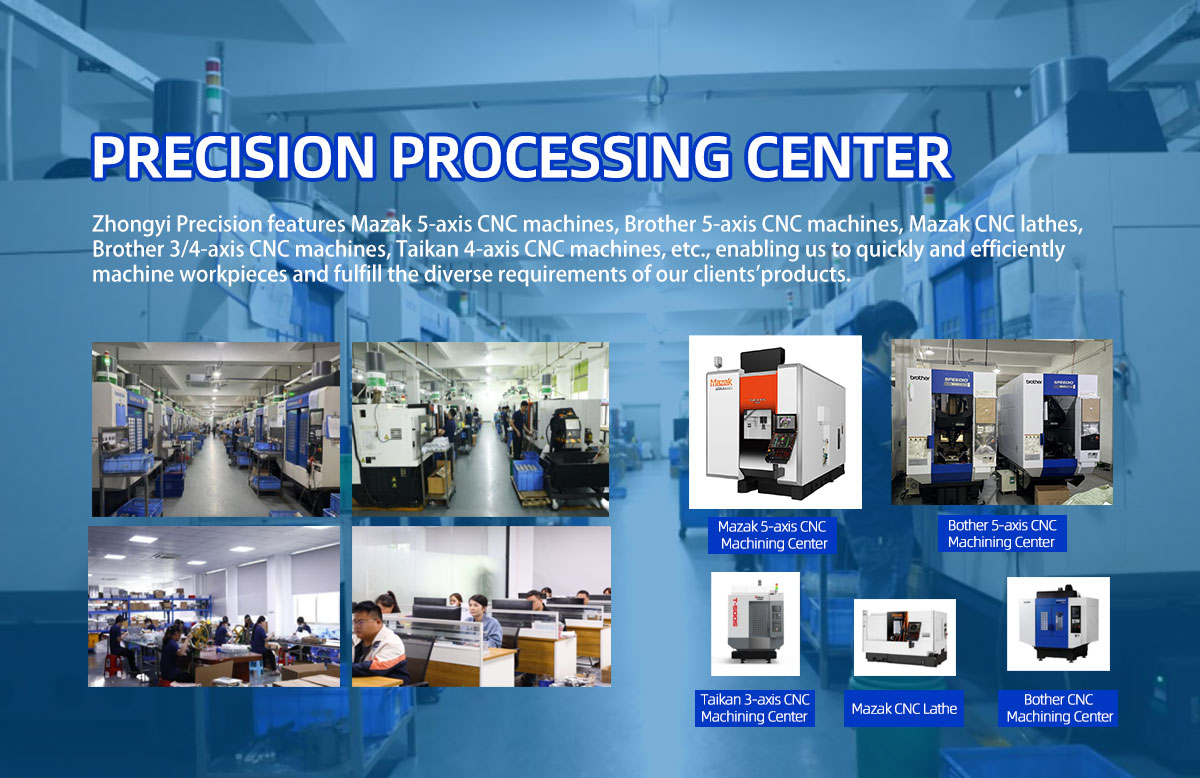
CNC Equipment | Mazak, Brother, Taikan and other precision machining equipment |
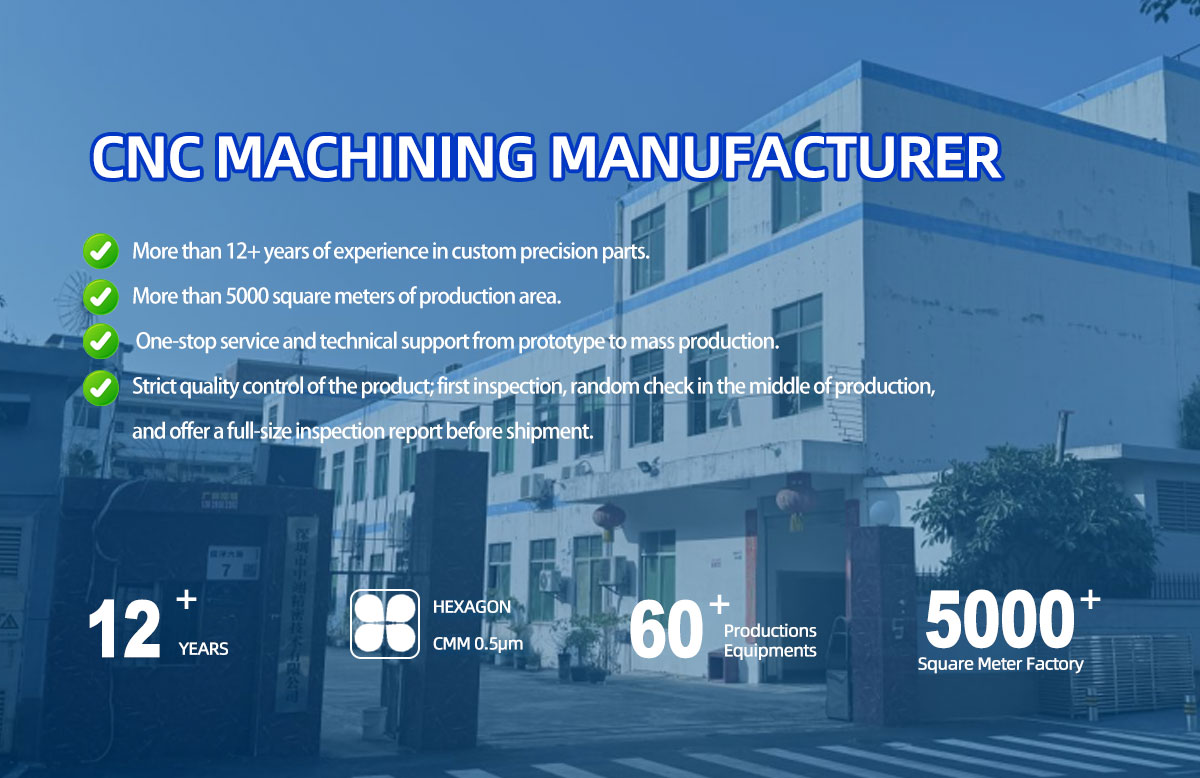
Manufacturing Experience | 12+ years |
Production Equipment | 60+ units |
Facility | 5,000+ m² |
Manufacturing Support | Prototype, pilot run and repeat production |
Actual achievable tolerance depends on material, geometry, wall thickness, part size, datum structure, surface treatment, and measurement requirements. Send us your drawing for engineering review.
Weight reduction is an important consideration in humanoid robot design. Excessive weight at the arms, legs, wrists, ankles, and other moving joints can increase actuator load and energy requirements.
Aluminum alloys provide a useful combination of low density, machinability, structural performance, corrosion resistance, and surface-finishing options.
For this reason, CNC machined aluminum components are widely considered for robotic joint structures, actuator supports, motor interfaces, lightweight links, and mounting components.
Material selection should still be based on the actual load, stiffness, fatigue life, wall thickness, temperature, surface treatment, and operating environment of the robot.
We manufacture components according to customer-specified materials and can review alternative machinable materials when required.
A custom humanoid robot joint may contain several functional interfaces that must work together accurately.
Bearing seats, shaft bores, and locating diameters can influence rotational alignment and assembly accuracy.
Our machining process can be planned around critical bore and datum relationships to support dimensional consistency.
Robot joint structures frequently connect motors, harmonic reducers, planetary reducers, bearings, or other transmission components.
Accurate mounting faces and locating features help maintain the required relationship between these components.
Bolt holes, threaded features, locating holes, and mounting faces may be distributed around several sides of the component.
5-axis machining enables many of these features to be accessed without repeated manual repositioning.
Humanoid robot components often need to reduce mass while maintaining structural stiffness.
Complex pockets, ribs, thin-wall sections, and other lightweight features can be machined according to the customer's structural design.
Depending on the robot architecture, joint components may also incorporate mounting features for encoders, sensors, wiring, cable routing, or covers.
These features can be integrated into the same custom-machined component according to the CAD model.
Features located on several faces can often be machined with fewer repositioning operations than conventional multi-setup machining.
This helps reduce setup time and minimizes dimensional variation caused by repeated workpiece relocation.
5-axis machines can access angled surfaces, compound features, curved profiles, side holes, deep pockets, and other geometry that may be difficult to machine efficiently with conventional equipment.
Bearing bores, mounting holes, datum faces, and actuator interfaces can require accurate positional relationships.
Machining related features within a controlled multi-axis process helps improve consistency between these critical interfaces.
Adjustable tool orientation can provide better access to complex surfaces while helping reduce excessive tool overhang.
This can improve machining stability and surface quality on challenging features.
5-axis CNC machining is suitable for engineering prototypes, design validation parts, pilot production, and repeat production.
Customers can validate assembly and performance before progressing to larger production quantities.
Dimensional control is important for robotic joint components because machining variation can affect bearing alignment, motor positioning, reducer interfaces, structural assembly, and joint movement.
Our inspection process includes first article inspection, in-process dimensional checks, and final inspection before shipment.
HEXAGON coordinate measuring equipment is available for the verification of critical dimensions and geometric relationships.
Depending on drawing requirements, inspection can include:
Bore diameters, hole positions, center distances, flatness, parallelism, perpendicularity, concentricity, profile dimensions, mounting interfaces, and other GD&T characteristics specified by the customer.
Full dimensional inspection reports can be provided according to project requirements.
Custom aluminum robot components can be supplied with different surface finishes according to functional and appearance requirements.
Available finishing options may include anodizing, hard anodizing, bead blasting, polishing, chemical conversion coating, painting, and other customer-specified treatments.
Surface treatment selection should consider wear resistance, corrosion protection, electrical requirements, appearance, dimensional impact, and operating conditions.
Our CNC machining capabilities can support custom aluminum components used in humanoid robot shoulder joints, elbow joints, wrist joints, hip joints, knee joints, ankle joints, actuator assemblies, motor interfaces, reducer interfaces, structural connections, sensor mounts, and other robotic motion systems.
Every component is manufactured according to customer drawings or CAD files rather than as a standardized off-the-shelf robot joint.
Zhongyi Precision supports custom robot projects from early engineering prototypes through production.
During engineering review, our team evaluates material, machining accessibility, datum selection, tolerances, wall thickness, tooling, fixture strategy, surface finishing, and inspection requirements.
Prototype lead times are typically approximately 7–15 business days, while production orders generally require approximately 15–30 business days depending on material, complexity, finishing, quantity, and inspection requirements.
Final delivery schedules are confirmed after reviewing the project.
Looking for a CNC machining supplier for your humanoid robot joint project?
Send us your 2D drawings or 3D CAD models together with your material, quantity, tolerance, surface finish, inspection, and delivery requirements.
Our engineering team will review your design and provide a manufacturing proposal and quotation.
Common drawing formats can include STEP, STP, DWG, DXF, PDF, and other standard engineering formats.
Upload Your Robot Joint Drawing for a Quote
We machine aluminum alloys and other machinable materials according to customer requirements. The appropriate alloy depends on structural load, stiffness, weight, dimensional stability, surface treatment, and operating conditions.
Robot joint components often contain precision features on several orientations, including bearing bores, mounting faces, side holes, threaded features, pockets, and angled surfaces. 5-axis machining provides better access to these features while reducing unnecessary setups.
Typical CNC machining tolerances are approximately ±0.01 mm to ±0.05 mm depending on the material, geometry, and feature. Tighter tolerances can be evaluated for critical features, with capabilities down to ±0.001 mm under suitable manufacturing and inspection conditions.
Yes. Depending on the drawing, we can manufacture precision bores, bearing seats, motor mounting surfaces, reducer interfaces, locating features, bolt patterns, and other functional features used in robotic joint assemblies.
Yes. 5-axis CNC machining is suitable for complex lightweight designs containing pockets, ribs, curved profiles, thin-wall sections, and multi-face features. Manufacturability depends on geometry, material, and tolerance requirements.
Yes. We support prototype manufacturing, design validation, pilot production, and repeat production. Prototype manufacturing allows engineers to verify fit, assembly, motion, and design details before larger production quantities.
Yes. CMM inspection and dimensional reports can be provided according to project requirements. Critical dimensions and GD&T characteristics should be clearly identified on the drawing.
Please provide your 2D drawing or 3D CAD model together with material, quantity, tolerance, surface finish, inspection, and delivery requirements. Providing complete technical information helps us prepare a more accurate manufacturing evaluation and quotation.